



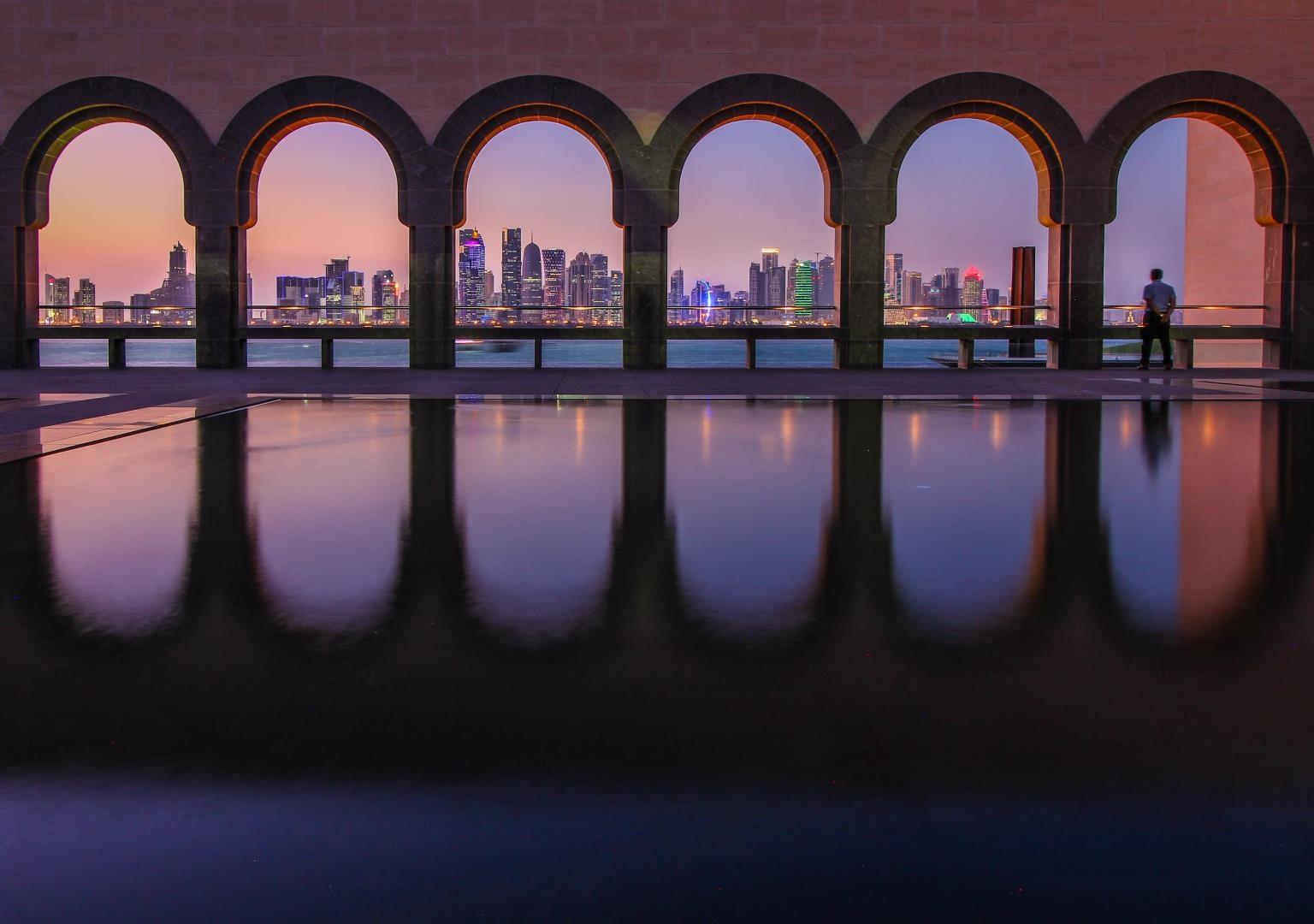

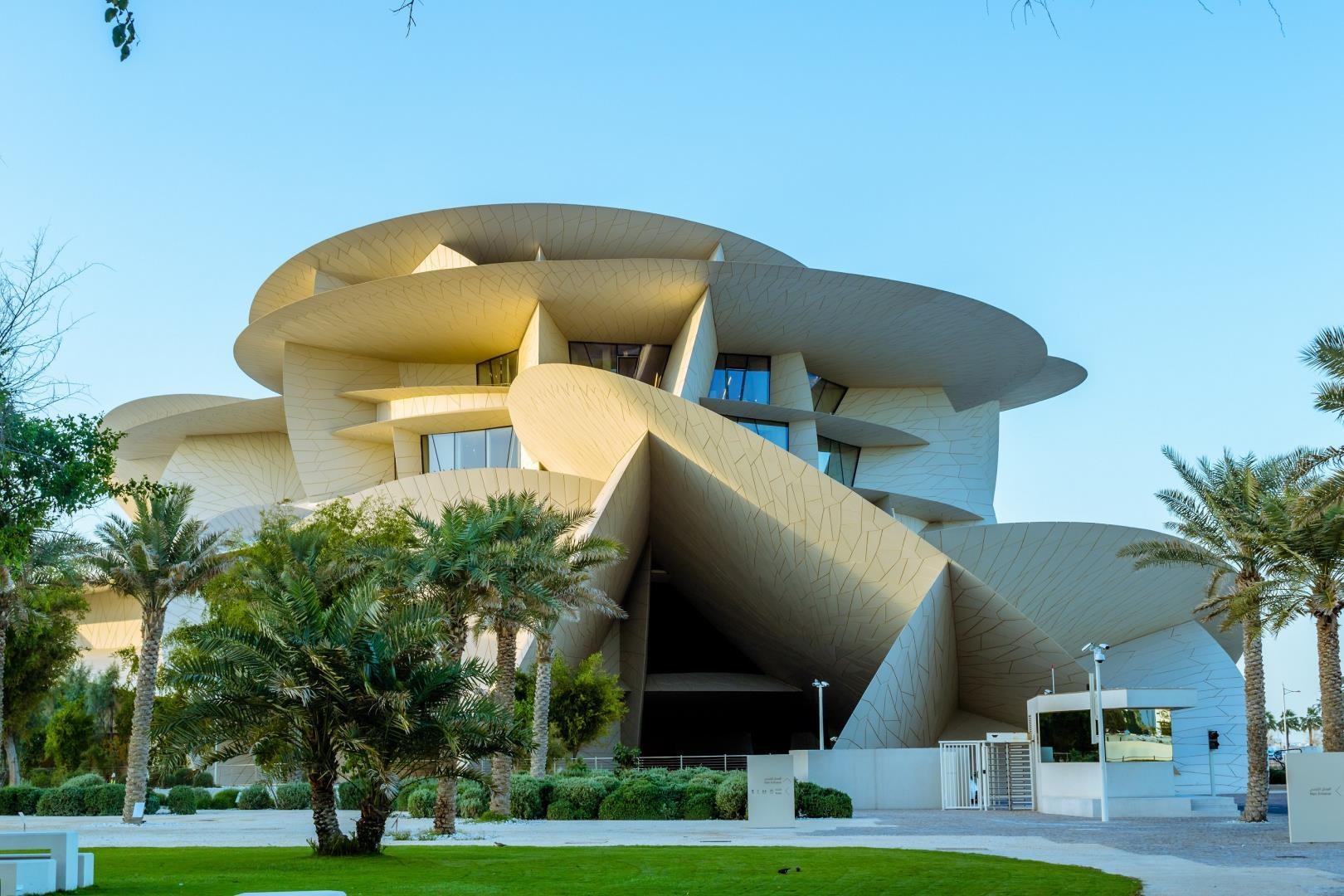


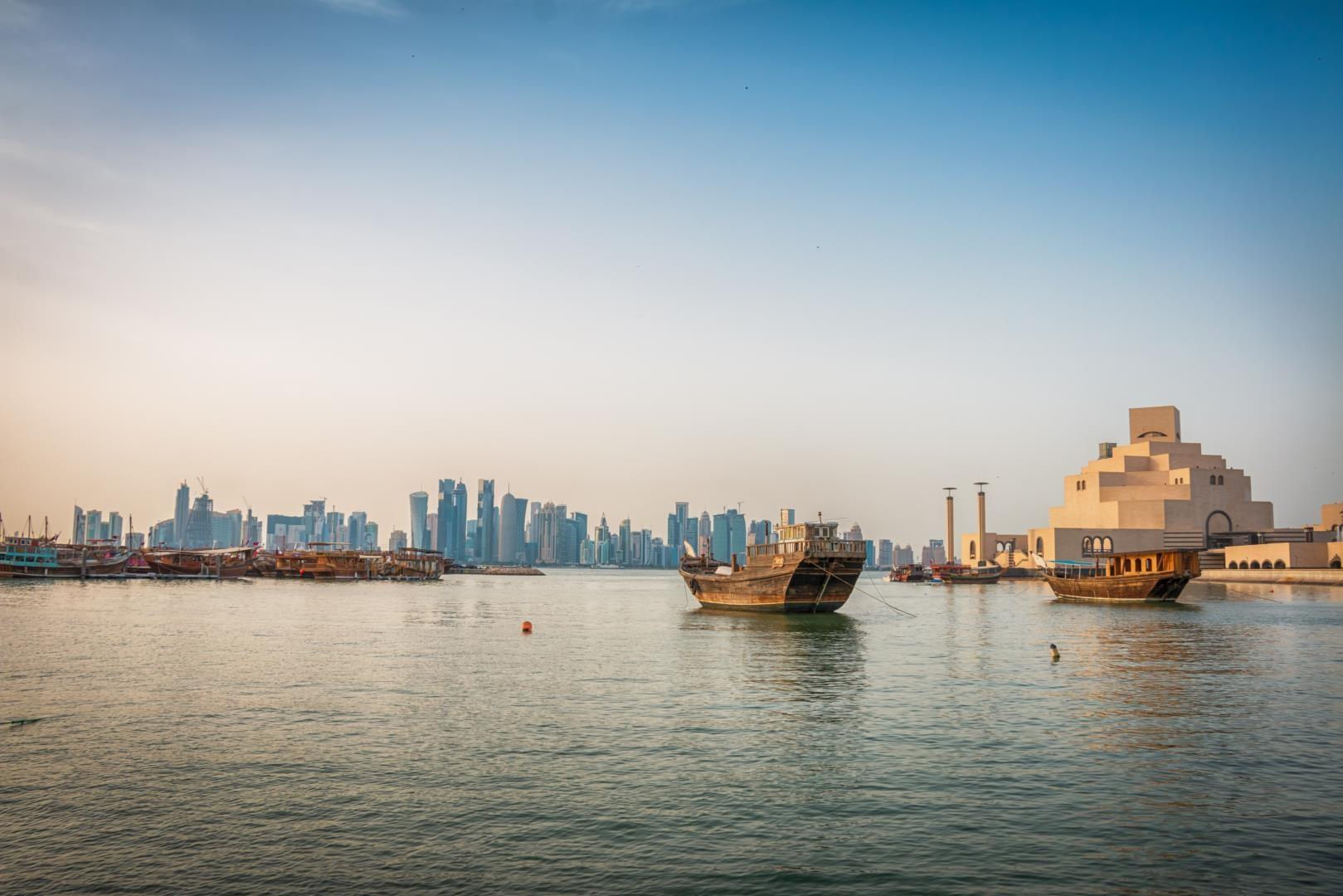




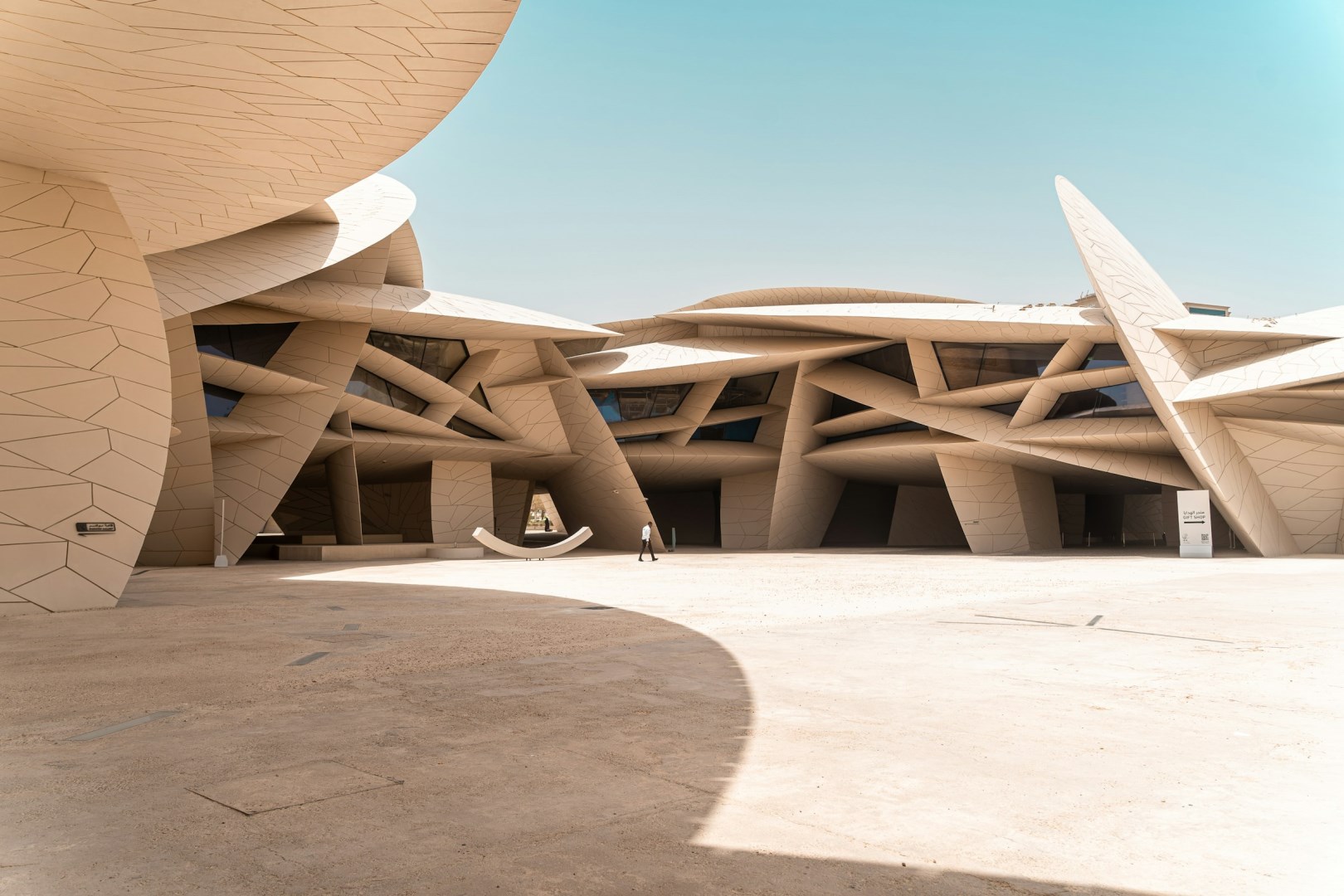
Doha presents a journey where heritage and modern design intersect gracefully. The Museum of Islamic Art, designed by I. M. Pei, rises from the Corniche and houses ceramics, textiles, manuscripts, and metalwork spanning fourteen centuries. Nearby, the National Museum of Qatar, shaped like a desert rose, narrates the country's story through immersive exhibits and architecture by Jean Nouvel. These institutions offer perspectives on both art and national identity.
Souq Waqif remains a lively meeting point. Its lanes open onto stalls selling spices, traditional garments, and ornate coffee sets. Cafés offer gahwa and karak alongside shisha lounges, while Al Koot Fort nearby now displays historic photos, tools, and crafts from Qatar’s past. Together, the market and fortress knit together daily life and memory.
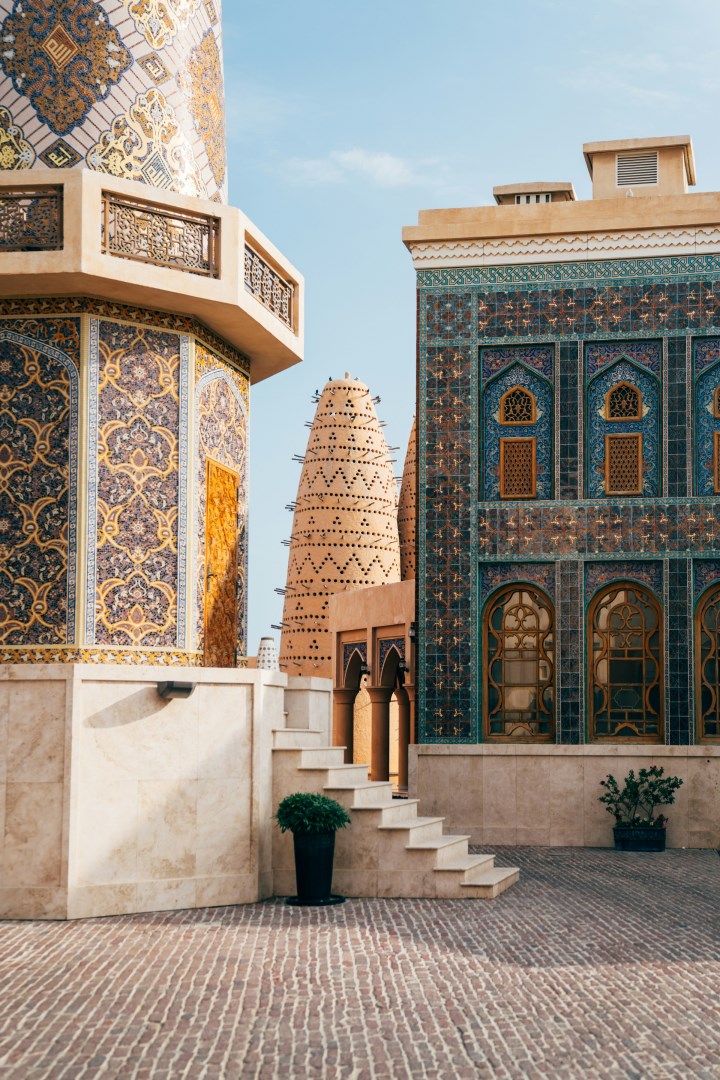
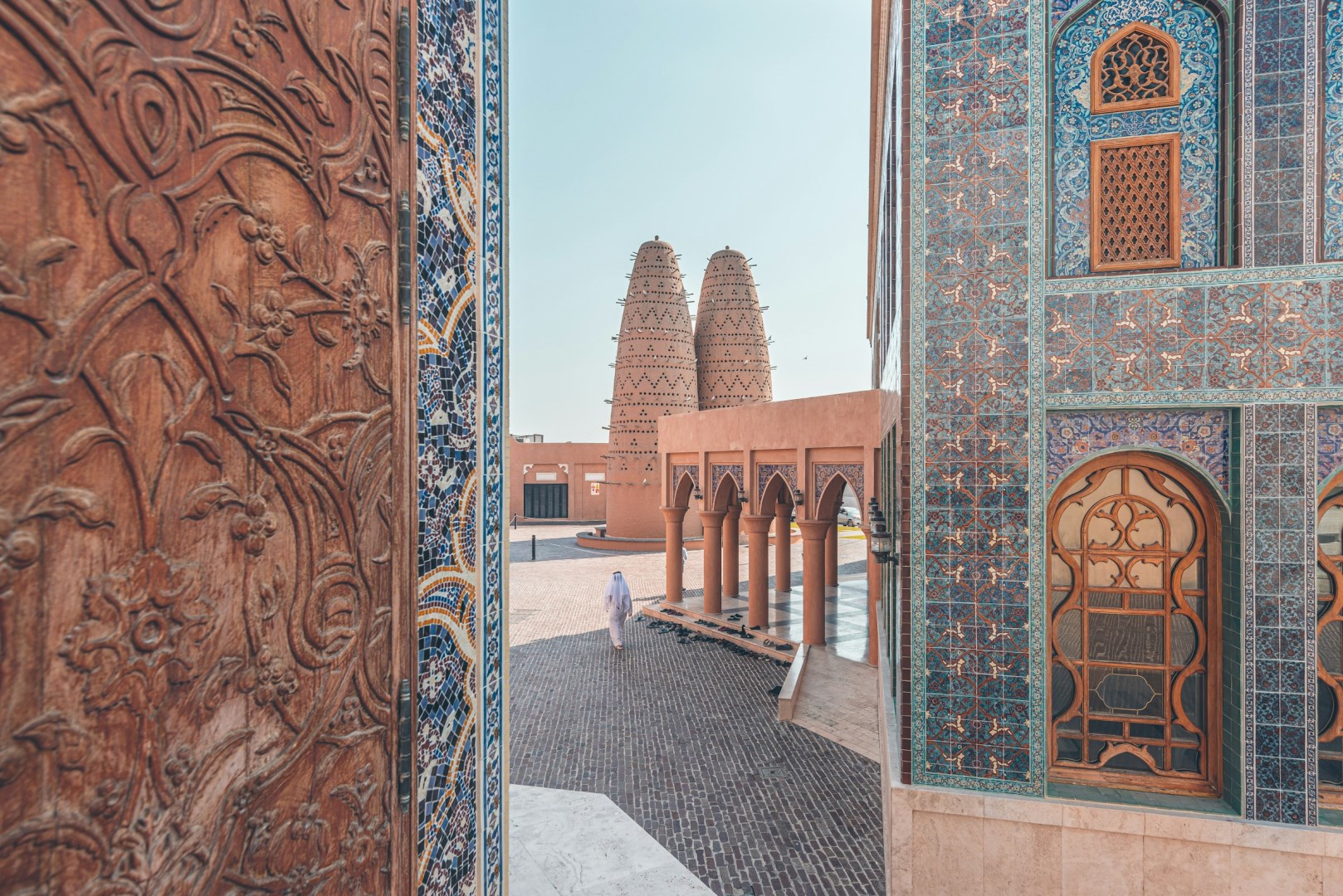
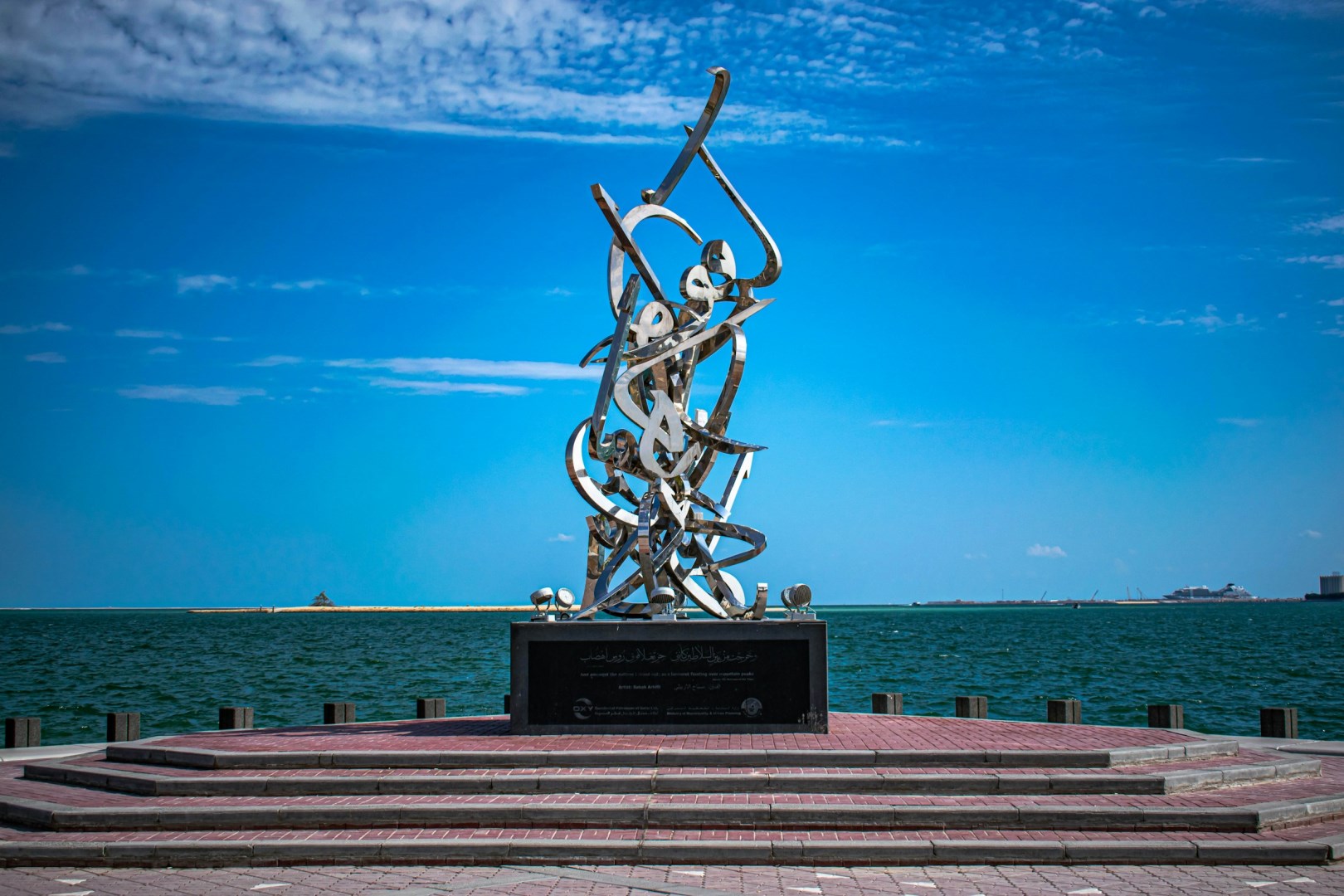
Doha’s coastline includes more than the skyline. Following the Corniche unveils public art such as the 30-foot “Orry” the Oryx sculpture and sleek towers shaped by Islamic design. Katara Cultural Village, built along the coast, reflects traditional Qatari architecture with sand-colored forms, mosaic-tiled mosques, an open-air amphitheater, and galleries set beside a public beach.
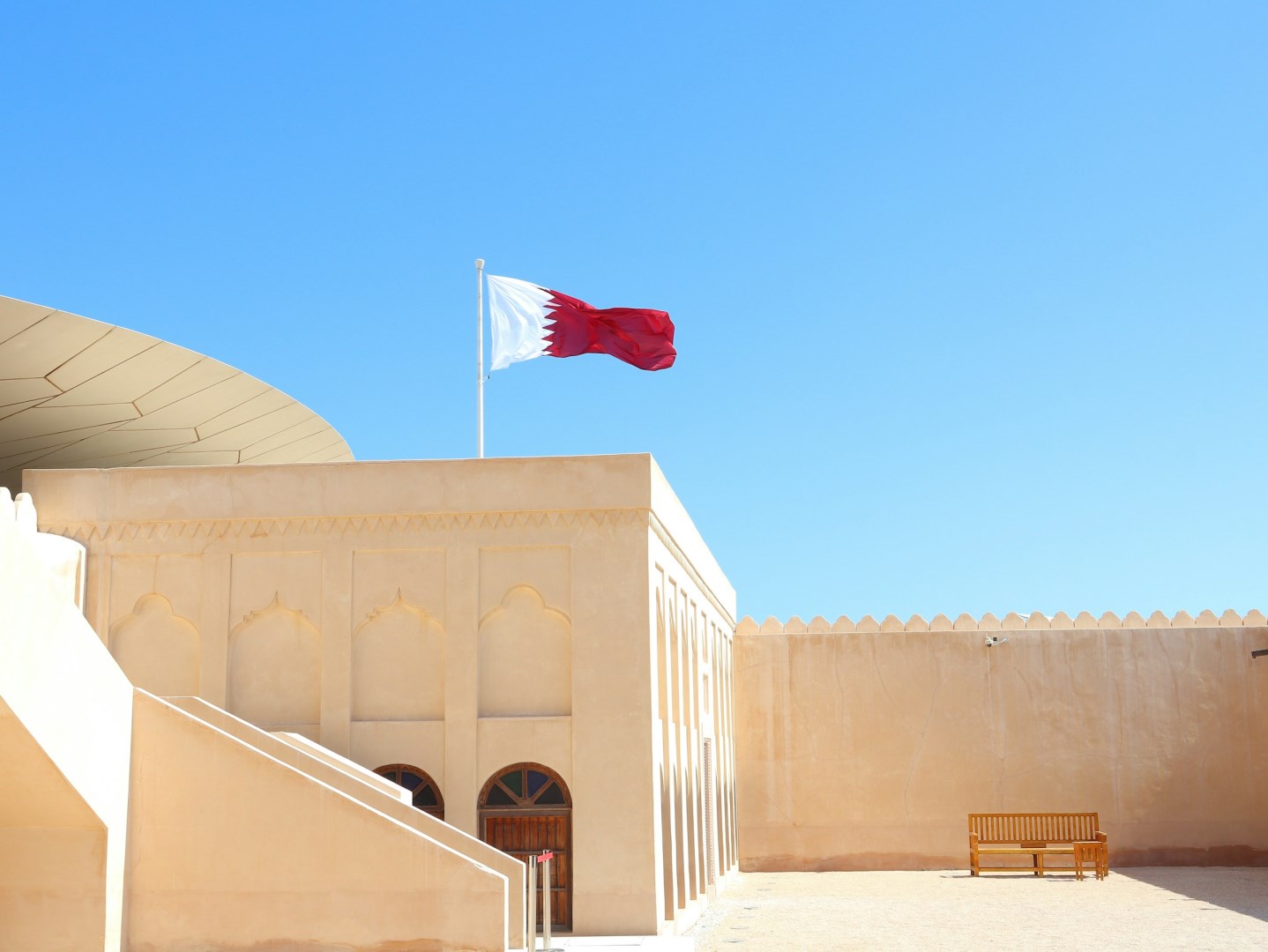
The National Museum of Qatar in Doha presents the country’s history, culture, and natural heritage through immersive galleries, artifacts, oral histories, films, music, and artworks. Designed by architect Jean Nouvel, the building is inspired by the desert rose and consists of large interlocking discs that surround the restored palace of Sheikh Abdullah bin Jassim Al Thani. The museum’s thematic and chronological galleries follow Qatar’s story from its natural environment and early communities through pearl diving, trade, and the country’s modern development. The restored palace forms the historic heart of the complex and provides a direct connection with Qatar’s ruling family and government heritage.
Katara Cultural Village is a waterfront arts and cultural district in Doha, located between West Bay and The Pearl. It brings together galleries, workshops, performance spaces, restaurants, mosques, and a public beach within a pedestrian-friendly setting shaped by traditional architectural details. The Katara Amphitheatre is one of its main landmarks, combining classical Greek forms with Islamic design and seating up to 5,000 people. The Katara Mosque is noted for its blue and gold Persian and Turkish tilework, while the nearby Katara Hills provide landscaped walking areas and views across the coast. Local and international exhibitions, festivals, and performances are regularly held throughout the village.
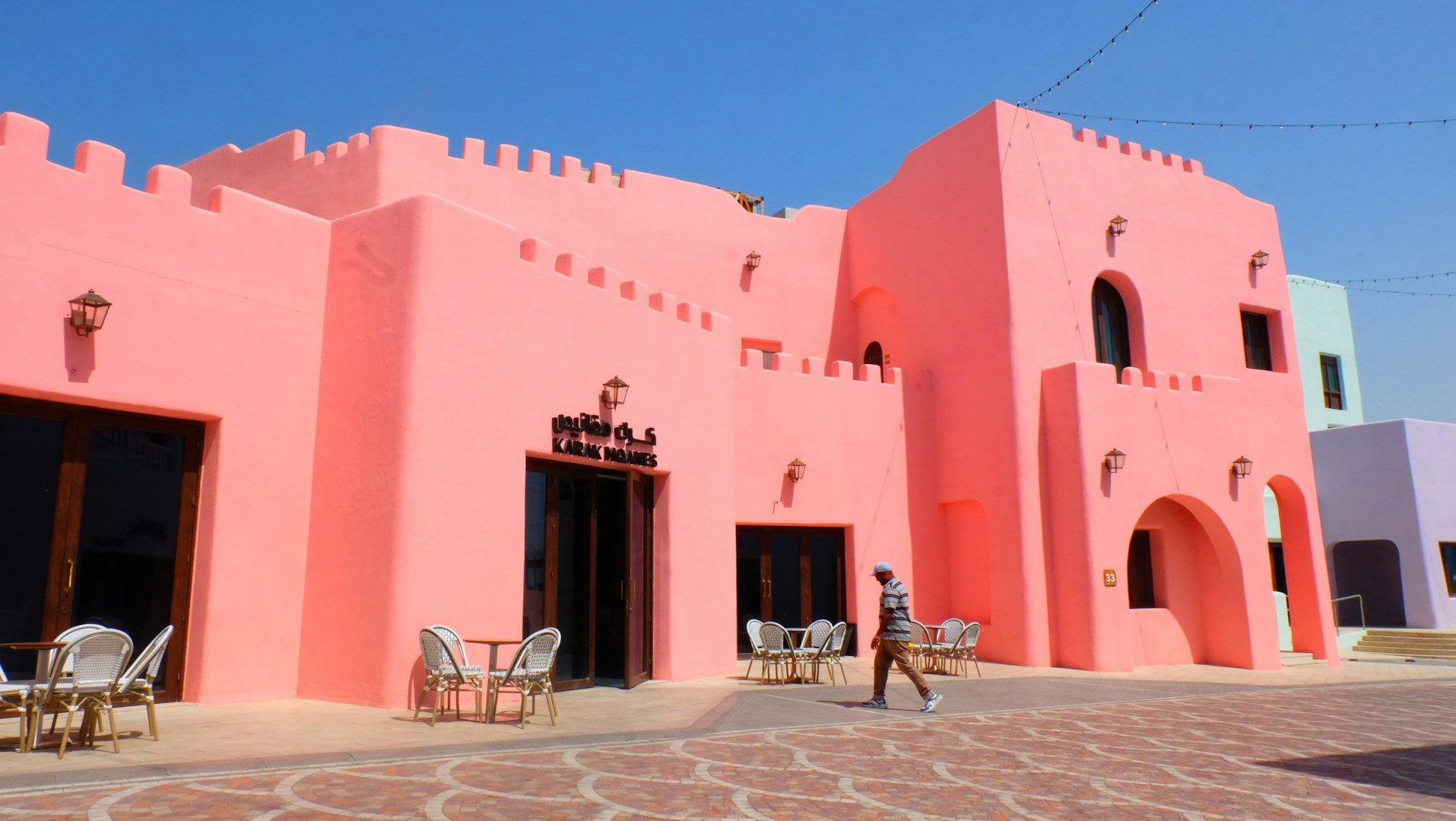
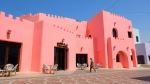
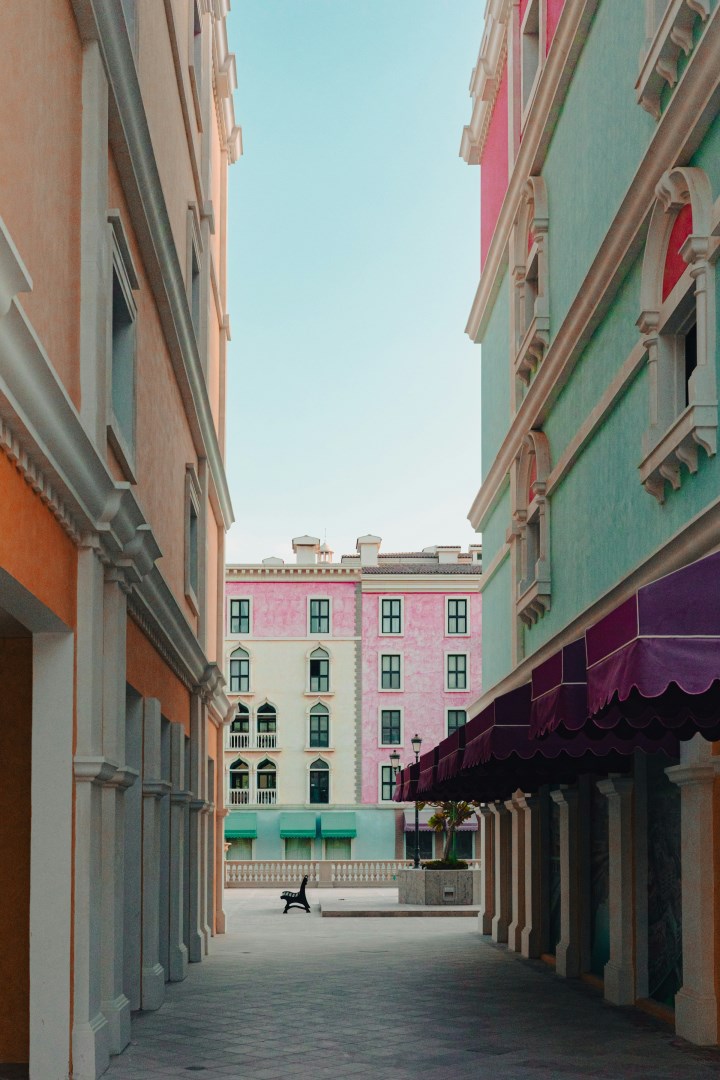
Mina District Corniche forms part of Old Doha Port at the eastern end of the Doha Corniche, where the waterfront has been reshaped into a pedestrian area with pastel-colored buildings, cobbled streets, murals, shops, cafés, and restaurants. The district reflects Qatar’s maritime traditions through its connection to the former commercial harbor, while the nearby marina accommodates yachts, traditional dhow boats, and cruise ships. A prominent fish market, Chabrat Al Mina, offers fresh seafood and a restaurant serving the day’s catch. The waterfront promenade also provides views of the Grand Cruise Terminal and the Arabian Gulf, while the colorful Containers Yard adds another link to the port’s shipping history.
Qanat Quartier is a waterfront neighborhood on The Pearl Island in Doha, designed around canals, pedestrian squares, arched bridges, and pastel-colored low-rise buildings. Its architecture draws heavily from Venetian and Mediterranean styles, giving the district a distinctive appearance within the modern island development. The area includes more than a kilometer of canals, along with boutiques, cafés, restaurants, and residential buildings. Visitors can explore the waterways by water taxi, cross a replica of Venice’s Rialto Bridge, or visit the 30-step musical staircase. A beachfront promenade and views across the Arabian Gulf add another dimension to the neighborhood.
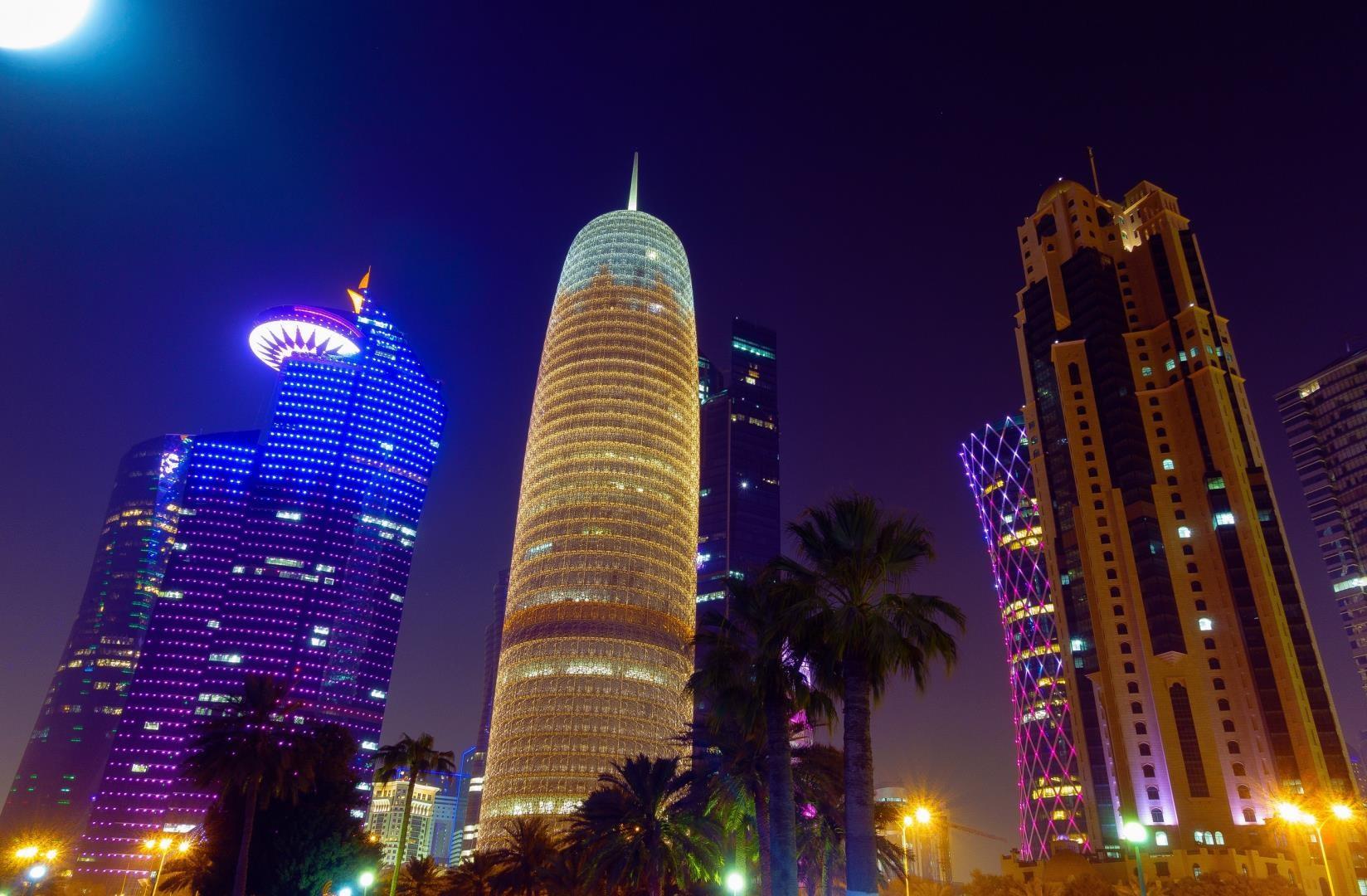
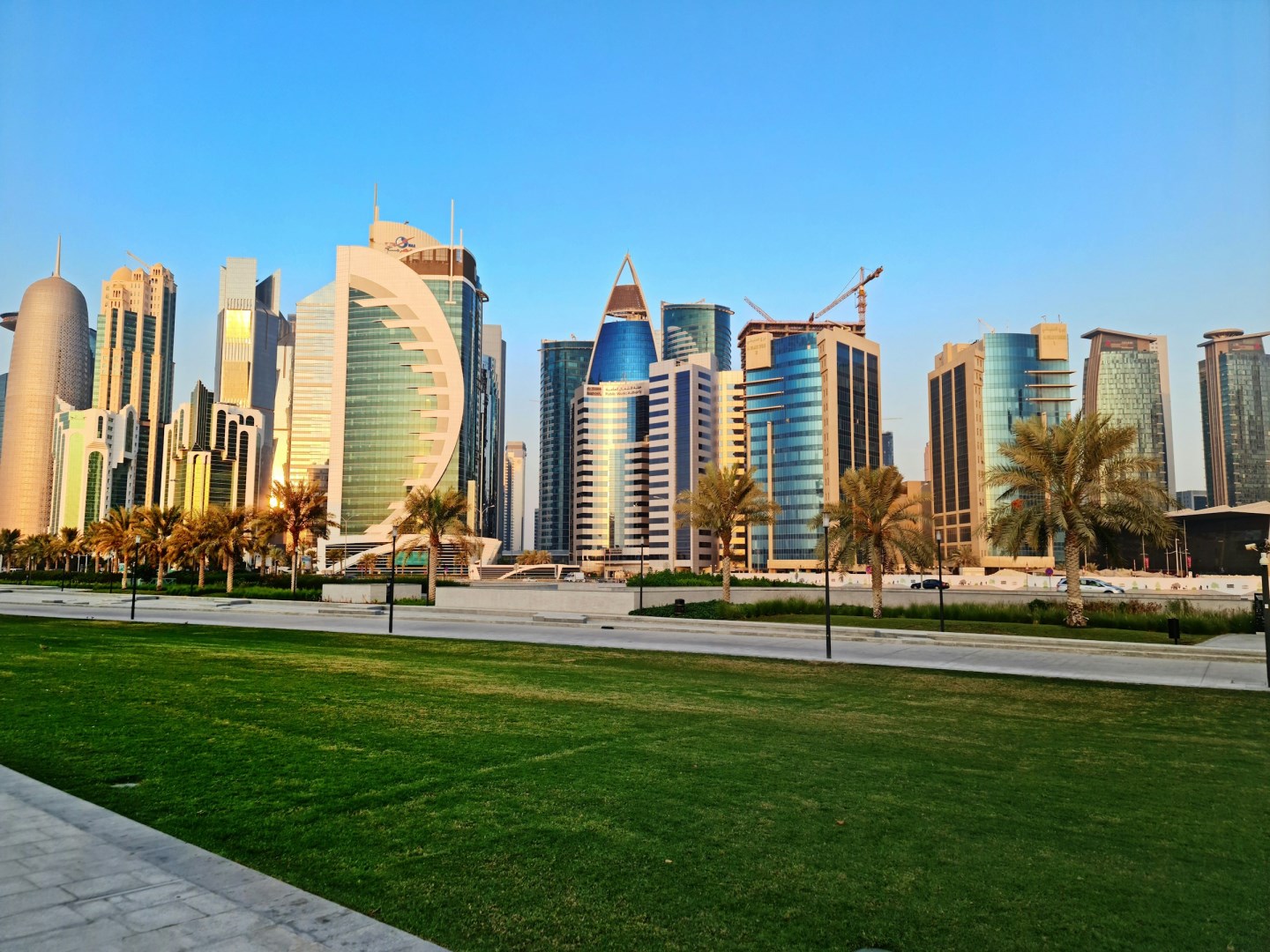
West Bay is Doha’s modern business and waterfront district, known for its dense cluster of high-rise buildings along the Arabian Gulf. Its skyline includes distinctive landmarks such as Doha Tower, whose patterned exterior draws on the traditional Islamic mashrabiya, and Tornado Tower, recognized for its curved, hourglass-like form. The district also includes major hotels, offices, shopping centers, and the Doha Exhibition and Convention Center. Along the coast, the West Bay Corniche provides walking areas and views across the Gulf, while West Bay Beach offers a public waterfront setting with sports courts, food outlets, and an outdoor cinema.
|
Clearwater Cruises Tours & Groups Let the luxury of our experience enhance your travels 800-562-0616 or 727-573-2883 |
|


