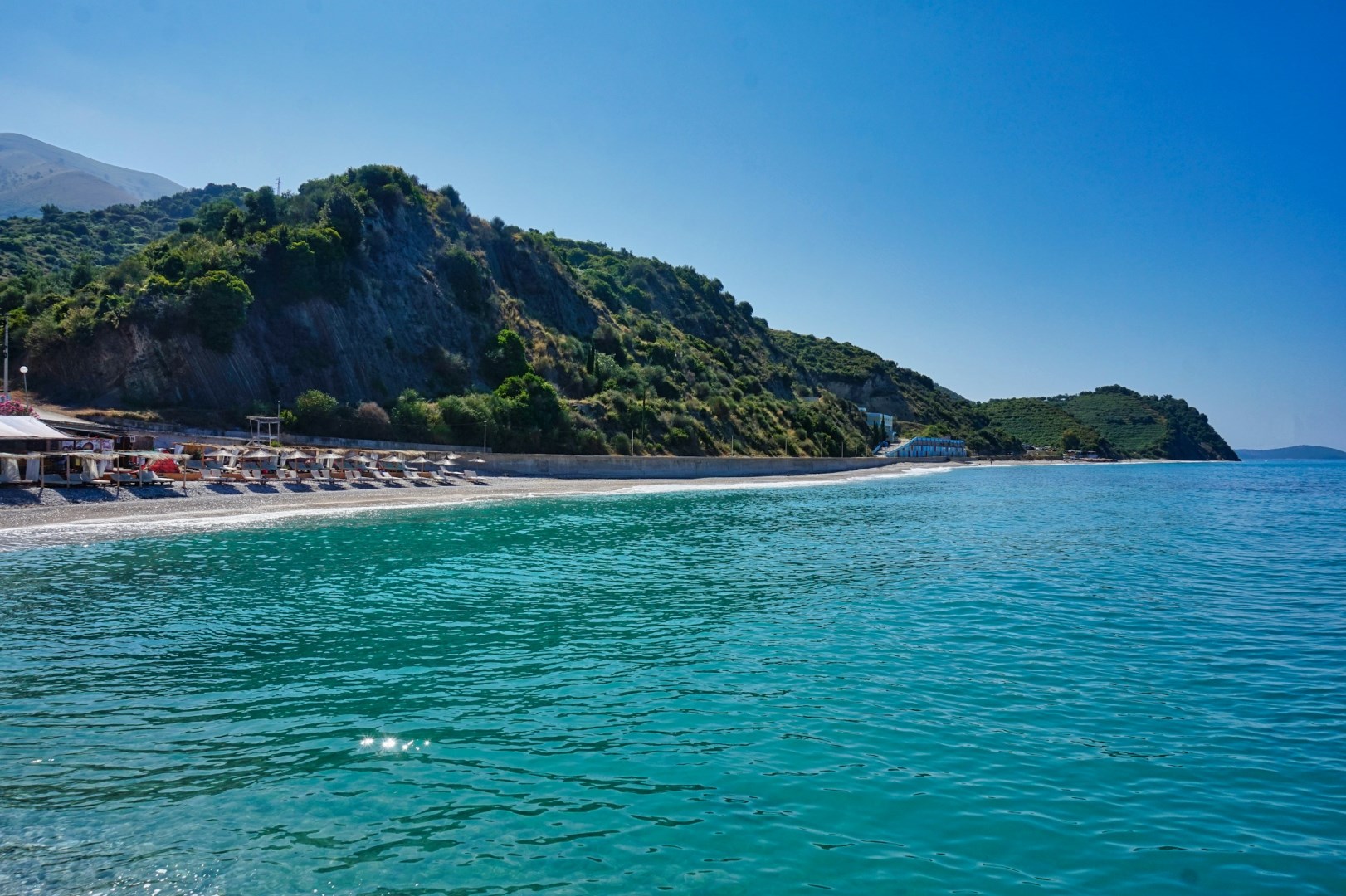
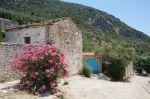
The Albanian Riviera is a stretch of Ionian coastline in southern Albania, extending from the Llogara area toward Sarandë and including coastal settlements such as Palasë, Dhërmi, Vuno, Himarë, Qeparo, Borsh, and Lukovë. The landscape combines steep mountain slopes with rocky coves, sandy and pebble beaches, olive groves, and clear coastal waters. The Llogara Pass marks a dramatic transition from the interior mountains to the sea, while the Çika Mountains rise above much of the coast. Small bays and offshore caves add variety to the shoreline.
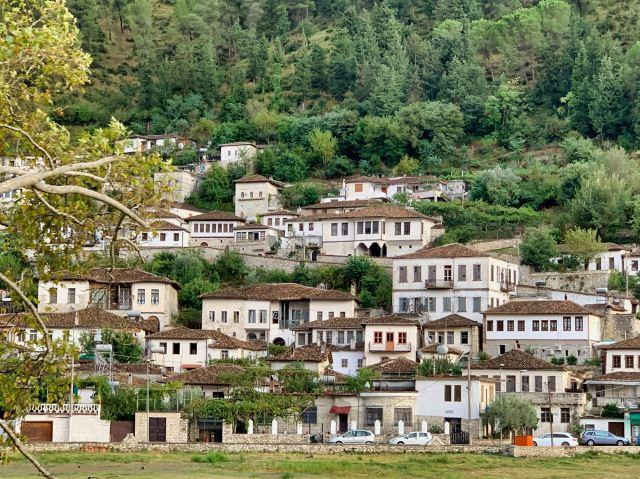
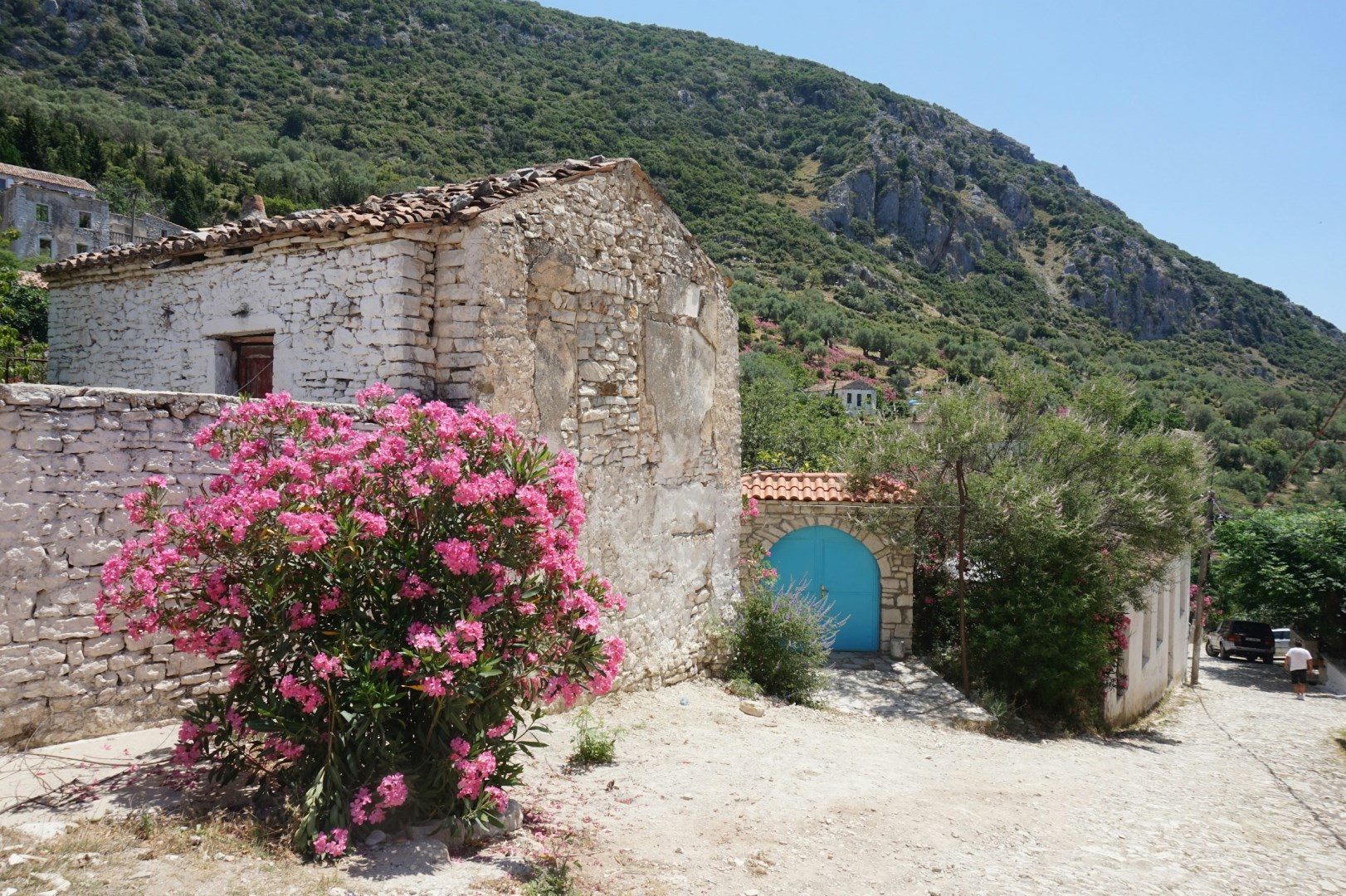
The Riviera has a strong cultural identity shaped by coastal villages, Orthodox Christian traditions, Mediterranean agriculture, and centuries of movement between mountain and sea communities. Himarë contains an old hilltop settlement with the remains of fortifications and historic churches, while villages such as Dhërmi and Vuno retain traditional stone houses, narrow lanes, and religious buildings. Local traditions include Labë polyphonic singing, a form of Albanian iso-polyphony recognized by UNESCO as intangible cultural heritage. Olive growing, fishing, and small-scale agriculture have also remained important parts of life along the coast, alongside newer tourism businesses.
The Riviera contains a wide range of natural and historic attractions. Llogara National Park provides forested mountain landscapes and views toward the Ionian Sea, while beaches such as Dhërmi, Jale, Himarë, and Borsh occupy different sections of the coast. Gjipe Bay is reached by a trail or boat and lies between steep cliffs, while Porto Palermo combines a sheltered bay with Ali Pasha Castle on a rocky promontory. Farther south, the coastline includes secluded bays such as Kakome and Krorëza. The Southern Coastal Trail links many of these villages and beaches through mountain paths and olive groves.
Food along the Albanian Riviera reflects the area's Mediterranean setting and agricultural traditions. Olive oil, citrus fruit, herbs, vegetables, fresh fish, and seafood are common ingredients, while lamb and other locally raised meats appear in traditional dishes. Himarë and surrounding villages are also known for local dairy products and dishes influenced by the area's Greek and southern Albanian connections. Coastal restaurants frequently serve grilled fish, octopus, mussels, and other seafood. Olive groves and terraced hills remain visible between settlements, providing a direct connection between the landscape, local agriculture, and the food served along the Riviera.

|
Clearwater Cruises Tours & Groups Let the luxury of our experience enhance your travels 800-562-0616 or 727-573-2883 |
|