

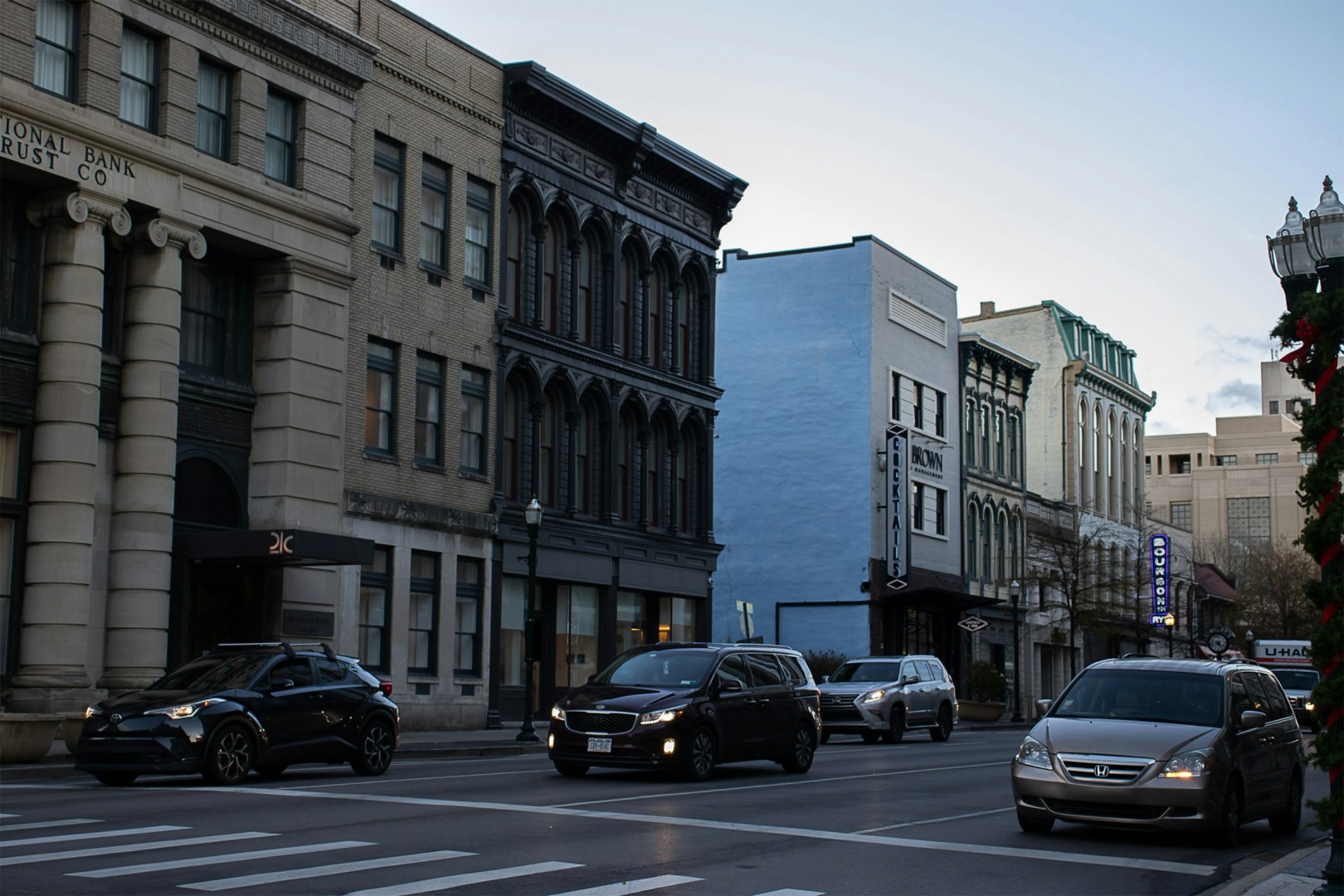

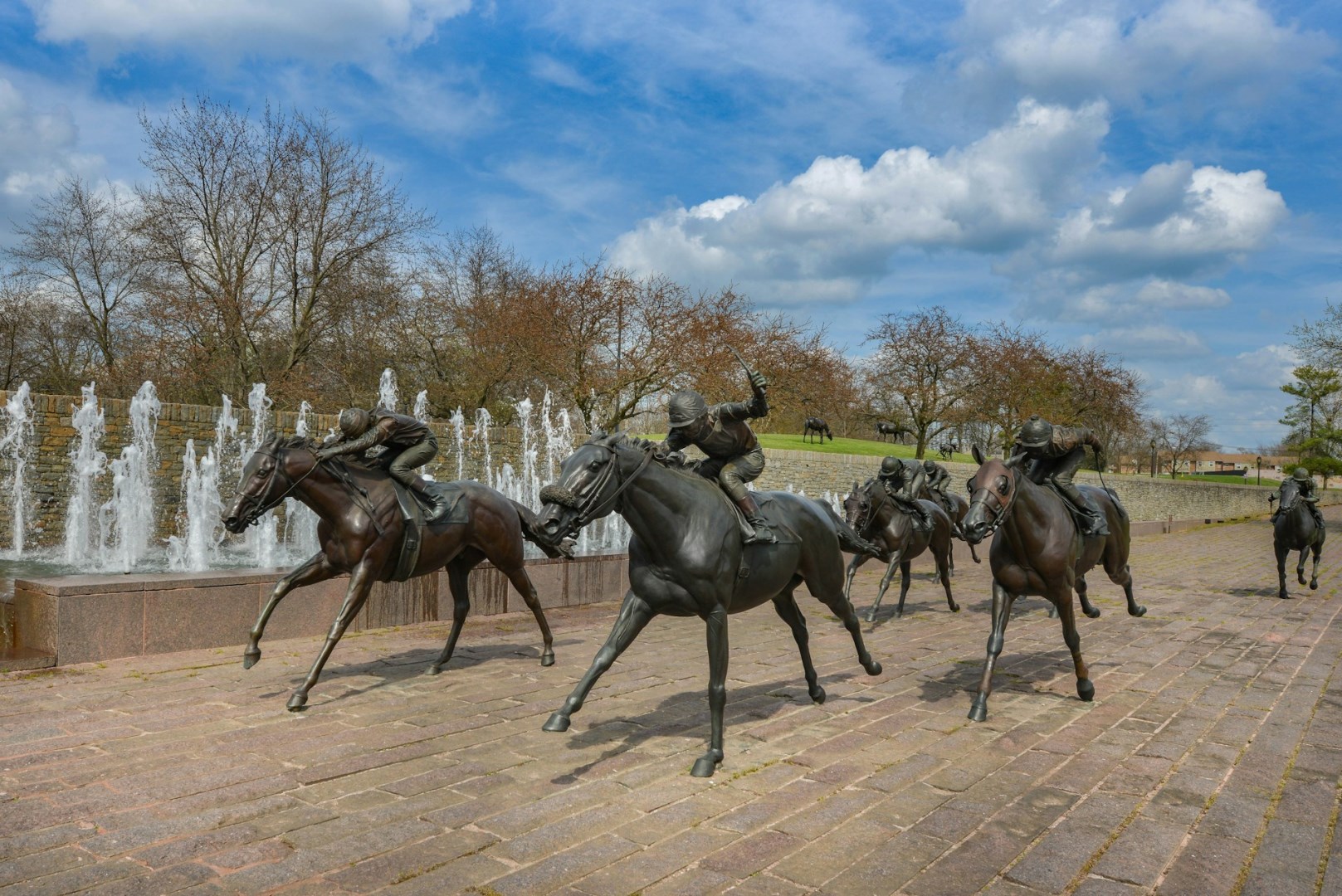

Lexington lies in Kentucky’s Bluegrass Region, surrounded by rolling pastureland, limestone-rich soil and hundreds of horse farms. Known as the “Horse Capital of the World,” the city is closely associated with Thoroughbred breeding and racing, yet it also has a busy downtown shaped by universities, restaurants, arts venues and bourbon production. Main roads extend outward from the centre into countryside lined with stone and plank fences. This close connection between urban Lexington and its surrounding farmland is one of the city’s defining features, with working horse farms beginning only a short distance from downtown.
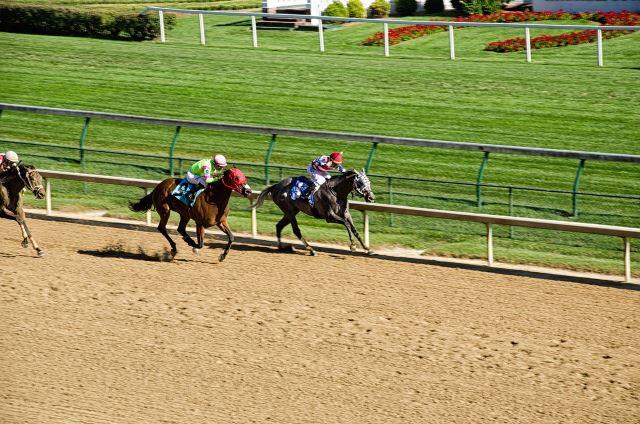
Lexington’s identity reflects Indigenous heritage, early settlement, African American history and generations of horse breeding and distilling. The Mary Todd Lincoln House preserves the childhood home of the future first lady, while Ashland was the estate of statesman Henry Clay. The city is also home to Transylvania University and the First African Baptist Church, one of Kentucky’s oldest Black congregations. Equine traditions remain especially important: Thoroughbred farms across Fayette County raise and train racehorses, while Keeneland serves as both a major racecourse and an important centre for the international Thoroughbred sales industry.
Keeneland is one of Lexington’s best-known landmarks, with its stone buildings, racecourse and surrounding grounds set within Bluegrass horse country. The Kentucky Horse Park covers about 1,200 acres and includes equine museums, breed presentations and facilities for major competitions. Downtown, historic buildings stand alongside newer restaurants, galleries and public spaces. Beyond the developed areas, Raven Run Nature Sanctuary protects more than 700 acres along the Kentucky River, with forest, streams, meadows and walking trails. Scenic roads through Fayette County provide views of horse farms, old stone fences, barns and broad fields of Kentucky bluegrass.
Bourbon is central to Lexington’s food and drink culture, with distilleries operating both within the city and across the surrounding Bluegrass Region. Limestone-filtered water is an important natural resource for local distilling because it contains minerals while filtering out iron that can affect whiskey production. Regional cooking includes Kentucky specialties such as burgoo, a thick stew commonly prepared with meat and vegetables, along with country ham and dishes based on locally raised produce.


|
Clearwater Cruises Tours & Groups Let the luxury of our experience enhance your travels 800-562-0616 or 727-573-2883 |
|


