





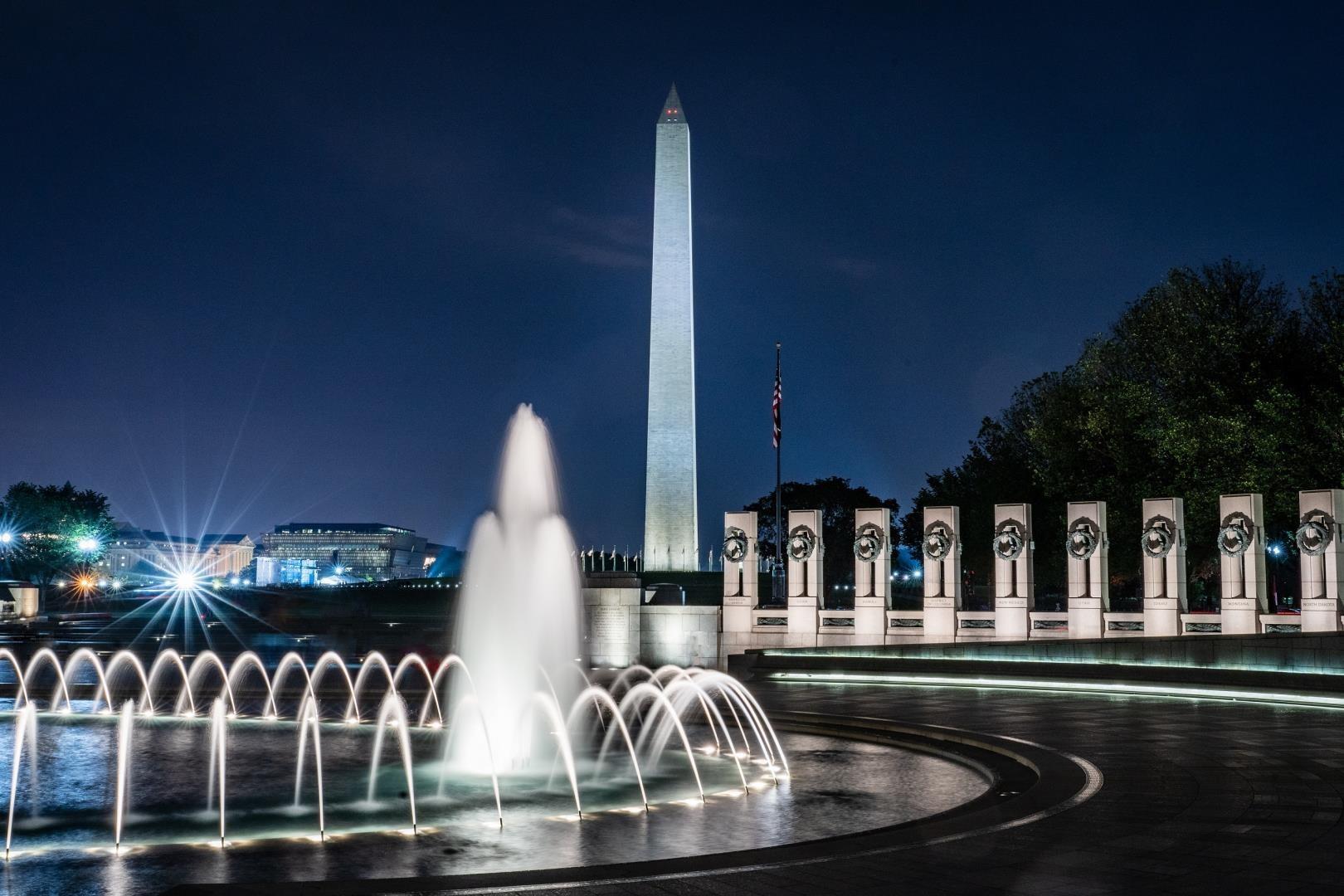





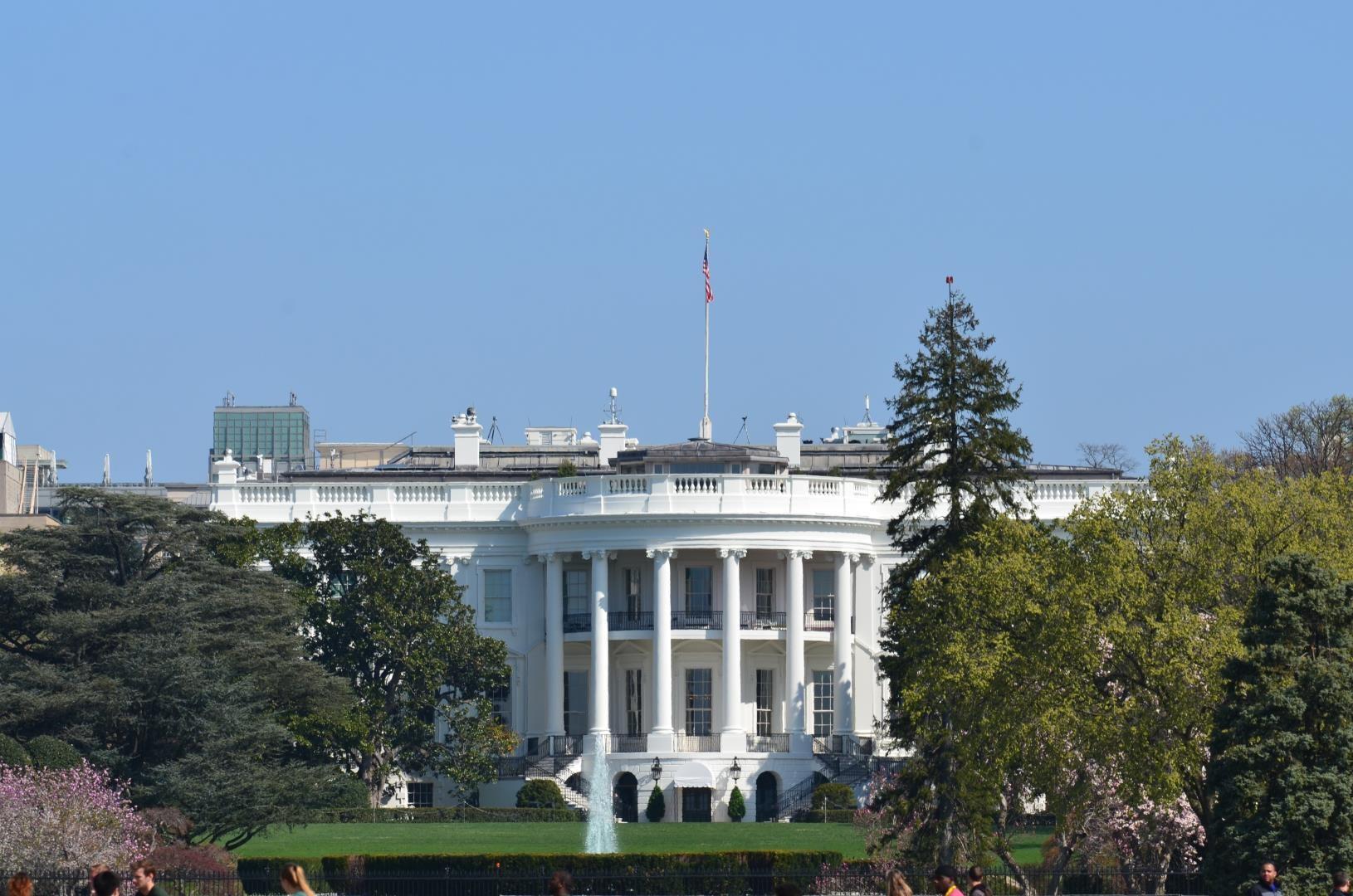

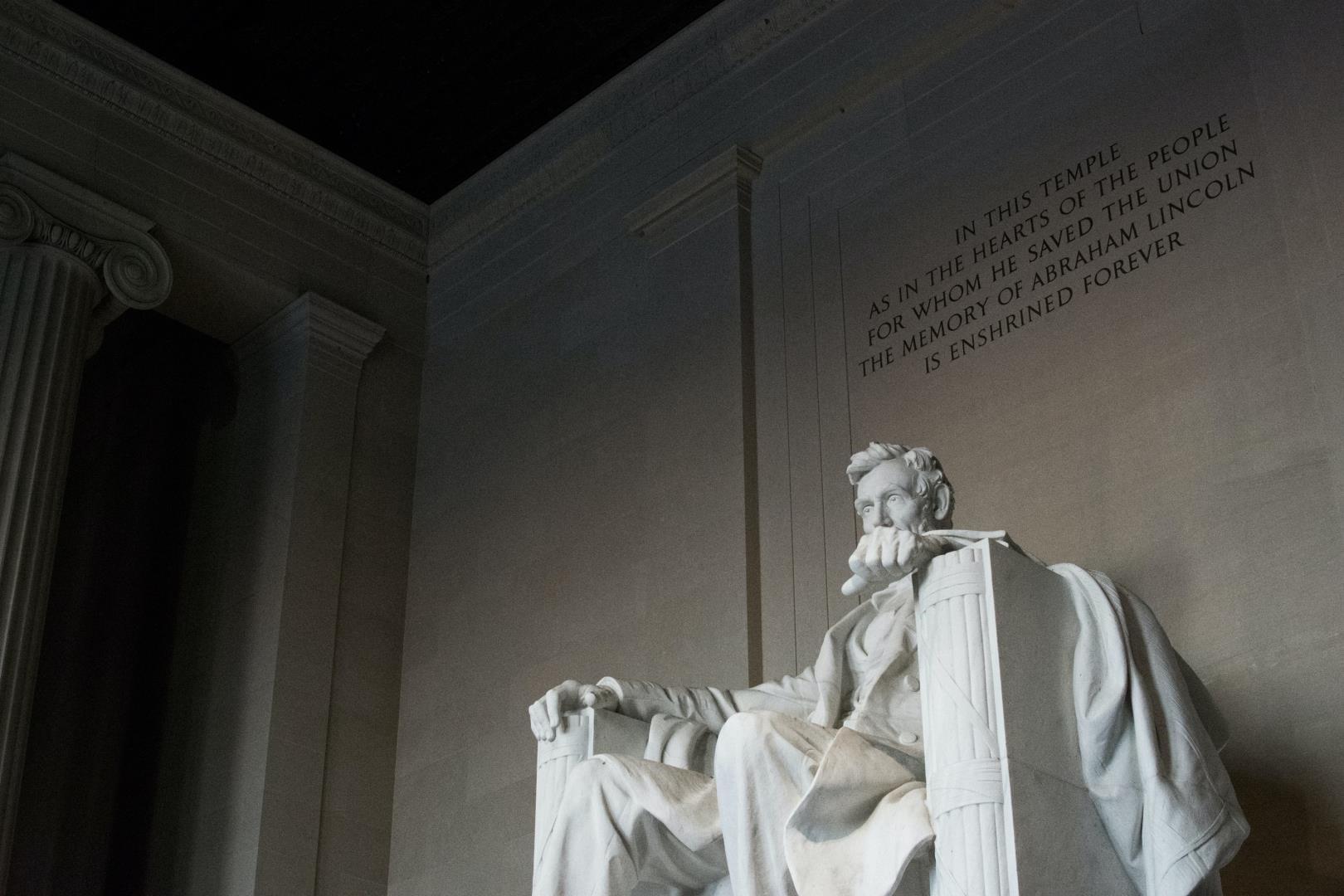




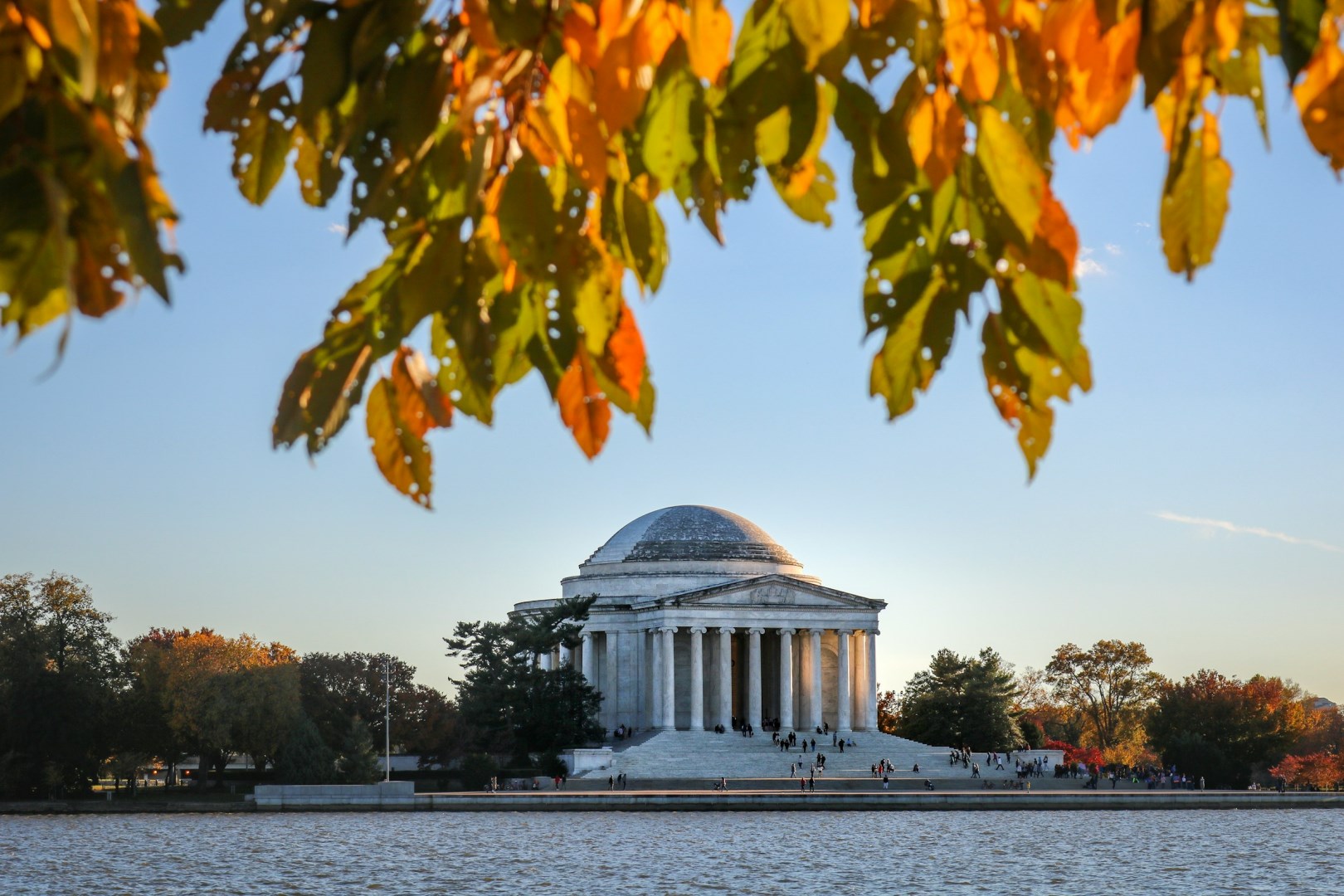


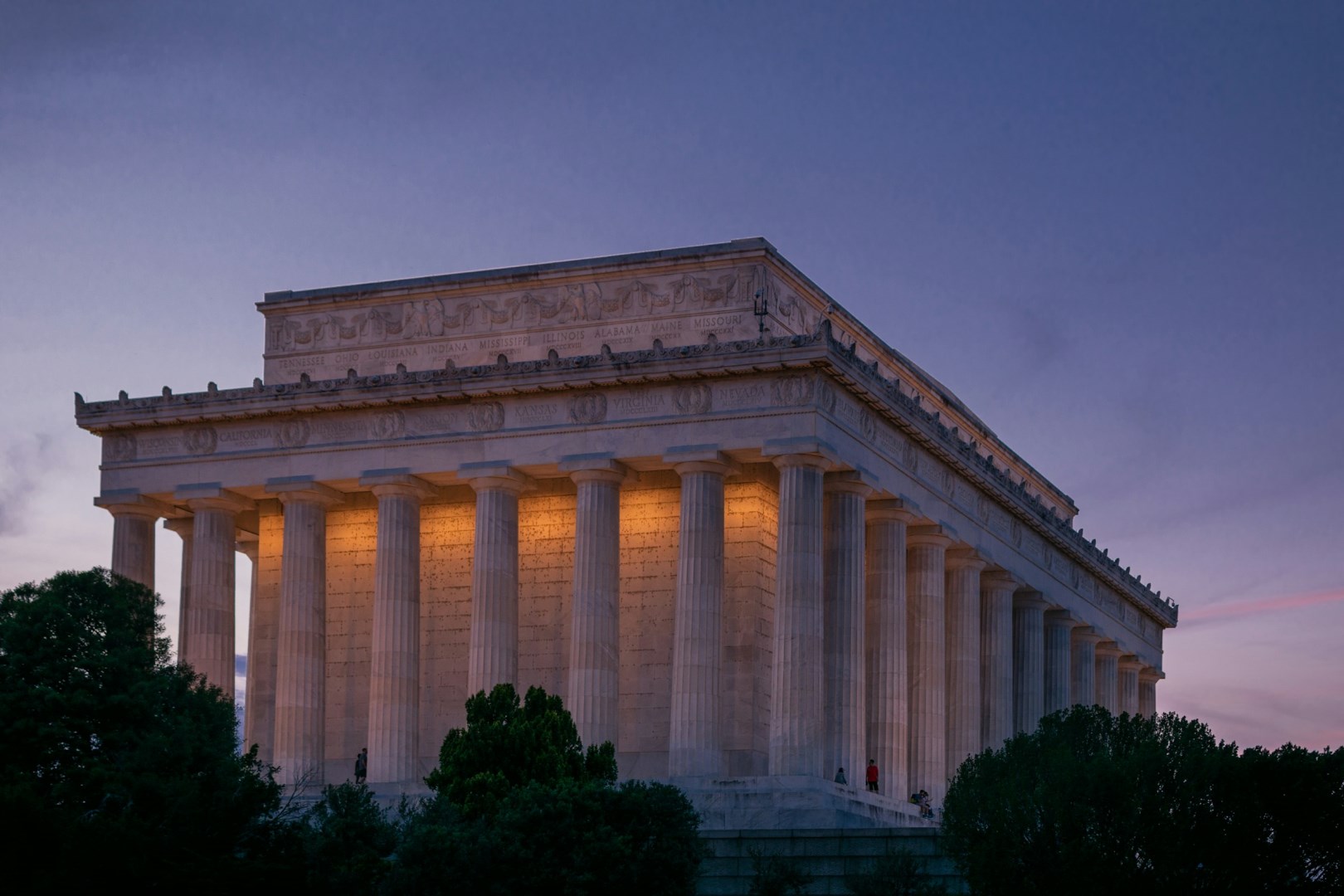




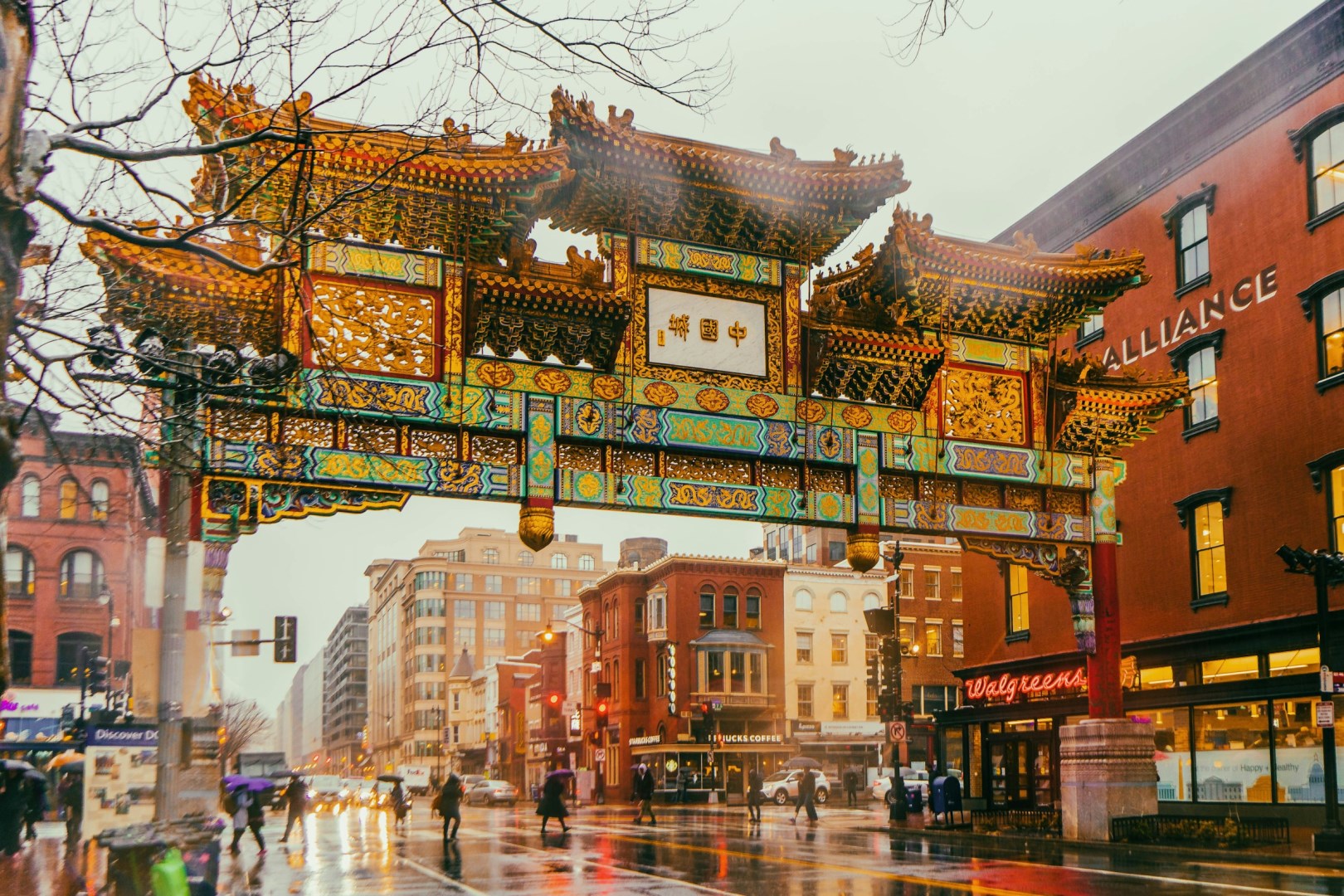



Washington, D.C., the vibrant capital of the United States, offers a perfect blend of history, politics, and culture that makes it a must-visit destination for travelers. Known for its iconic landmarks, such as the Lincoln Memorial, the Washington Monument, and the U.S. Capitol, D.C. offers endless opportunities to explore the country’s history through its architecture and museums. The Smithsonian Institution, comprising 19 museums and galleries, allows visitors to dive into American history, art, and culture at no cost. The National Mall, a sprawling green park, is an essential part of any trip, stretching between the Capitol and the Lincoln Memorial and offering stunning views of these towering monuments.
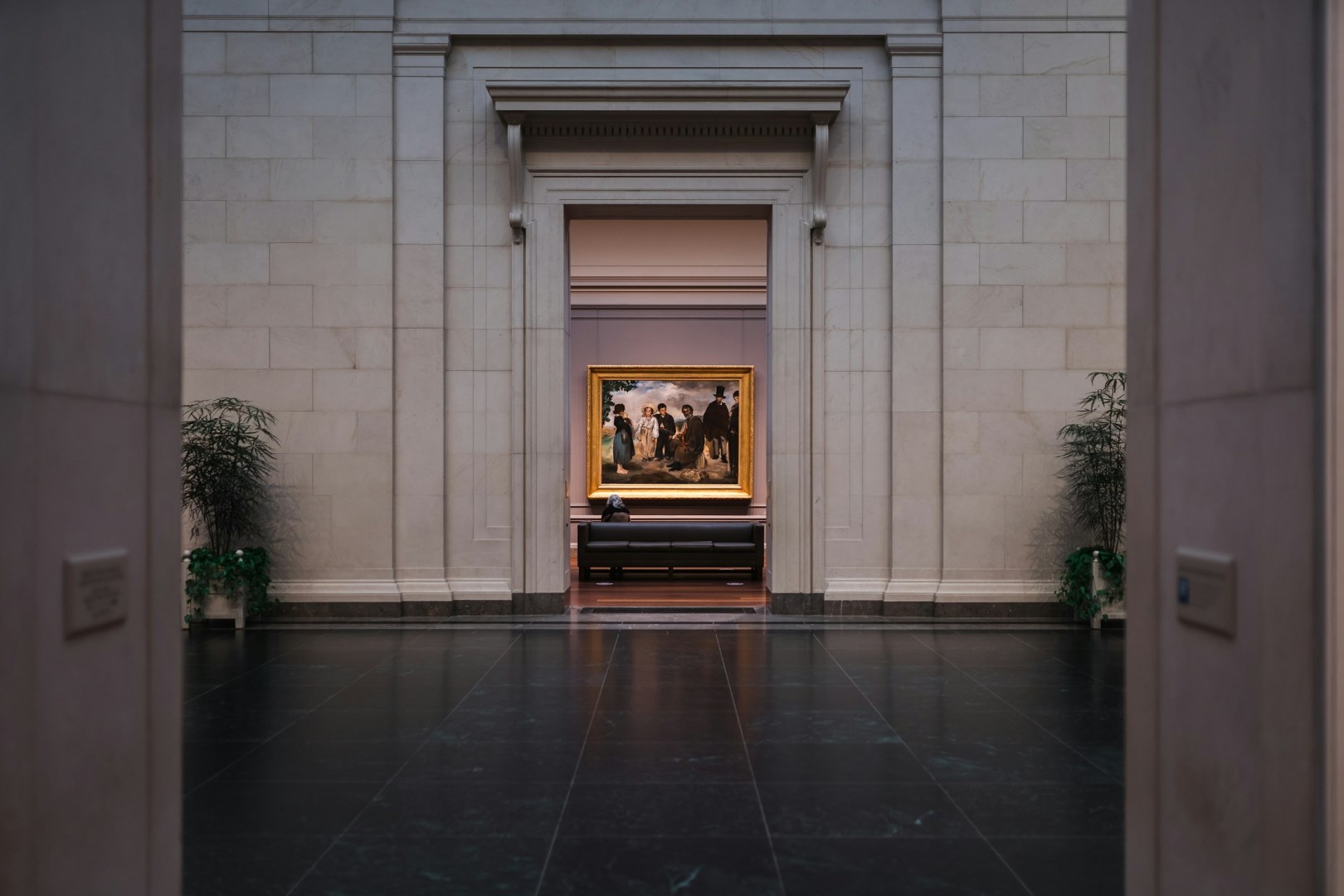
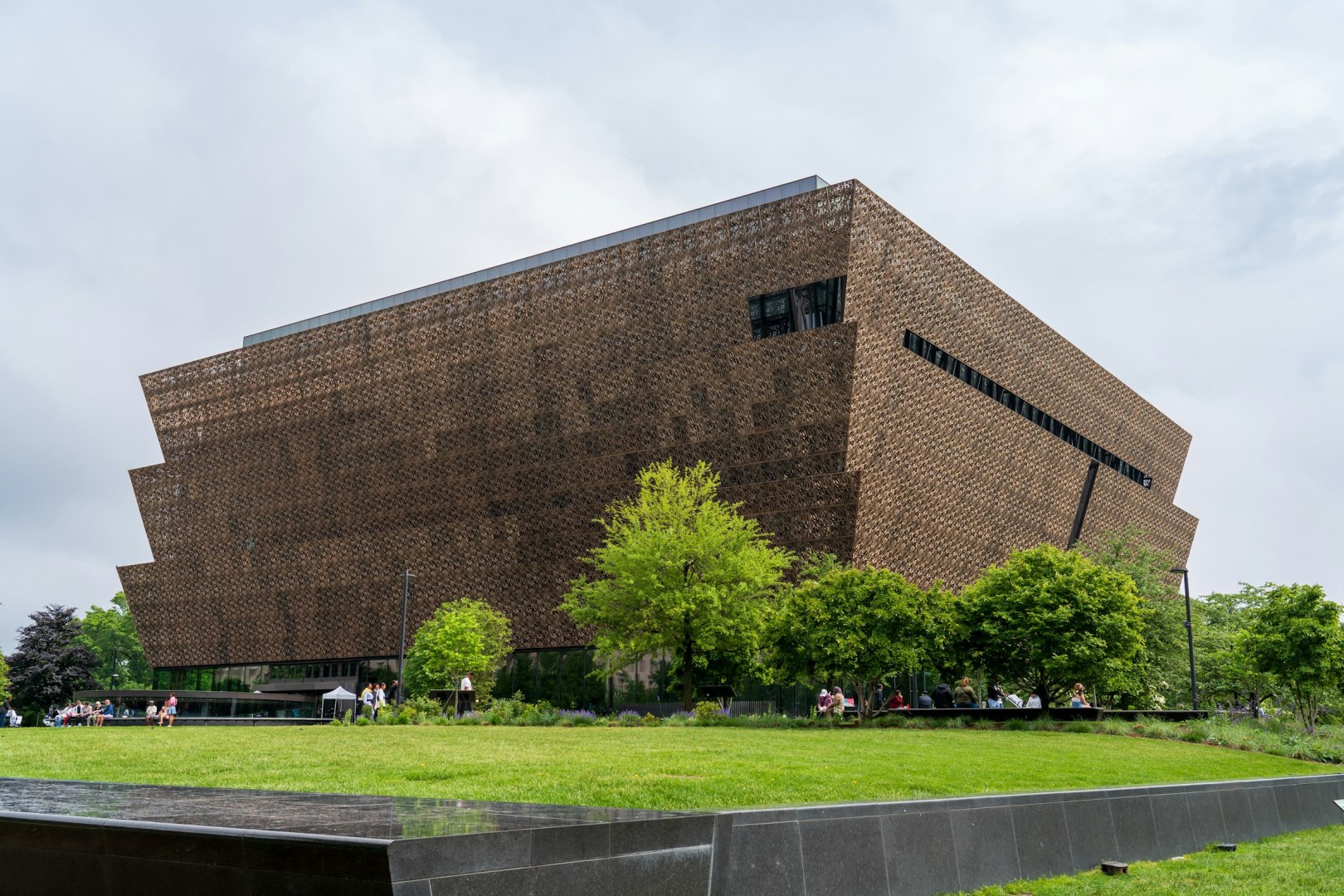
A visit to Washington, D.C., would be incomplete without exploring its world-class museums. The National Museum of African American History and Culture highlights the rich history and contributions of African Americans, while the National Gallery of Art offers a breathtaking collection of works from Europe and America. For a more contemporary experience, head to the Hirshhorn Museum and Sculpture Garden, which showcases modern and contemporary art through rotating exhibitions.
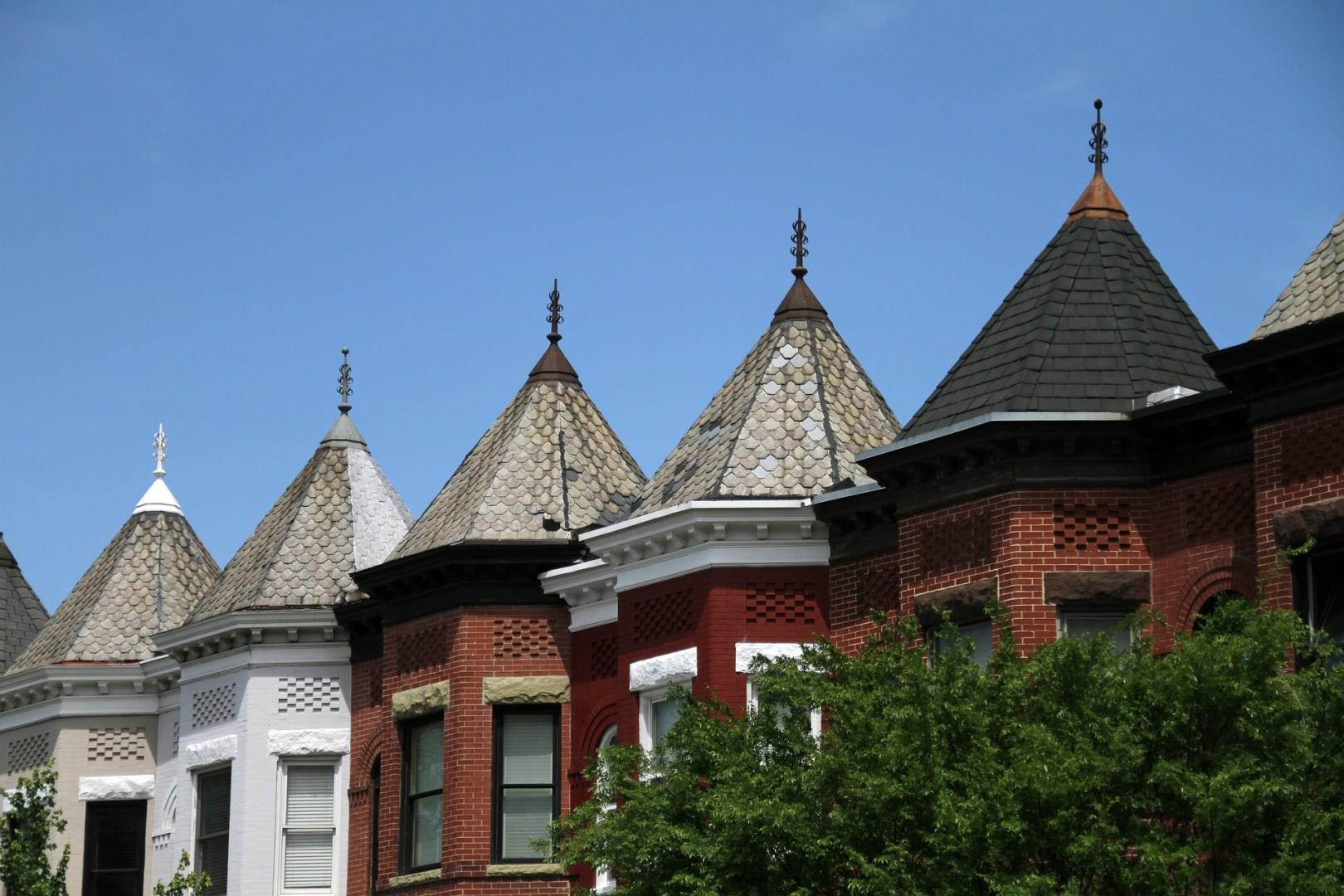
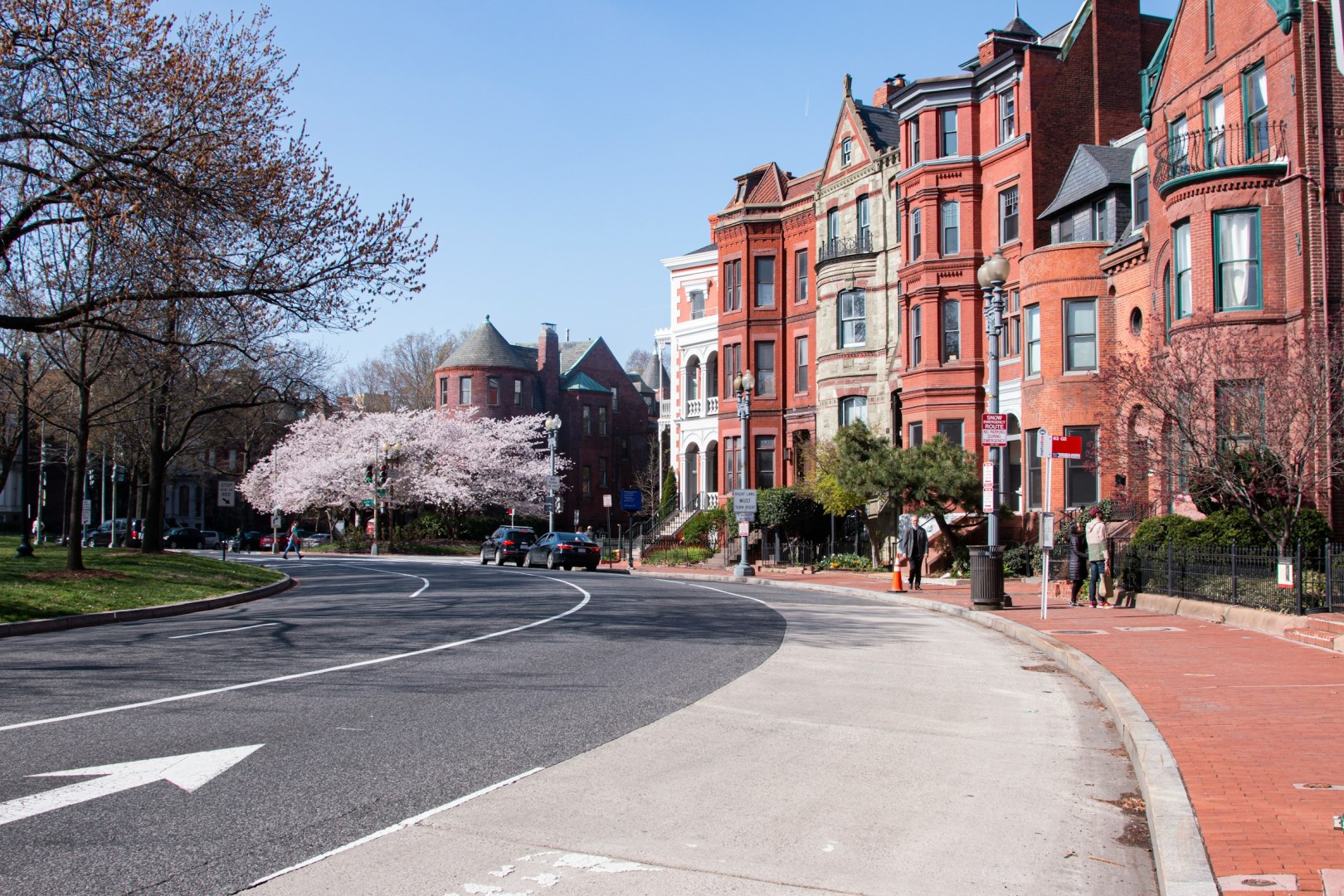
The city is also known for its beautiful neighborhoods, each with its own unique charm. Georgetown, with its cobblestone streets and historic waterfront, is ideal for shopping, dining, and admiring 18th-century architecture. Capitol Hill, home to the U.S. Congress, also offers delightful cafes and the historic Eastern Market, where you can explore local vendors selling fresh produce, crafts, and antiques.
Fun fact: Washington, D.C., is home to one of the largest cherry blossom festivals in the world. Every spring, the city bursts into bloom as over 3,000 cherry trees, gifted by Japan in 1912, line the Tidal Basin, creating a stunning pink and white landscape that attracts visitors from around the globe. From its historic landmarks to its vibrant neighborhoods and cultural offerings, Washington, D.C. provides a rich and diverse experience for all types of travelers.
The National Gallery of Art in Washington, D.C., is a major public art museum on the National Mall, with a collection spanning European and American art from the Middle Ages to the present. Its holdings include paintings, sculpture, decorative arts, prints, drawings, and photographs, with notable works by Leonardo da Vinci, Johannes Vermeer, Rembrandt, Raphael, Claude Monet, Vincent van Gogh, and Edgar Degas. The museum consists of the neoclassical West Building and the modern East Building designed by I. M. Pei, while the Sculpture Garden provides an outdoor setting for large-scale works. Admission to the permanent collection is free.
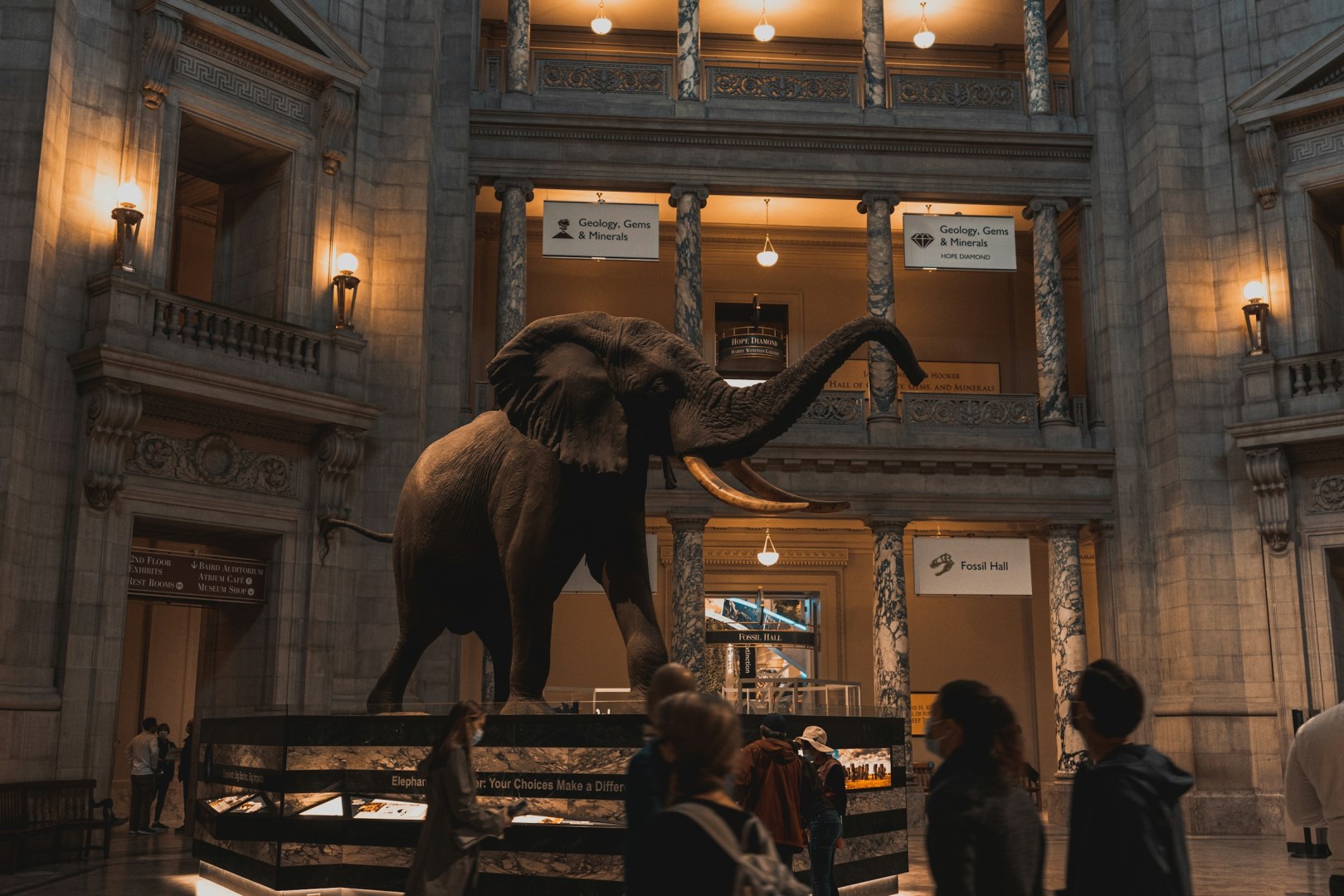
The Smithsonian National Museum of Natural History in Washington, D.C., explores the natural world through extensive collections and scientific research, with more than 146 million specimens and cultural objects. Its exhibitions cover dinosaurs, mammals, human origins, ocean life, insects, minerals, gems, and ecosystems, offering a broad view of life and the Earth's history. Notable displays include the Hope Diamond, the Hall of Fossils, the Sant Ocean Hall, and the David H. Koch Hall of Human Origins. The museum also maintains major scientific collections used by researchers studying biodiversity, geology, anthropology, and environmental change.
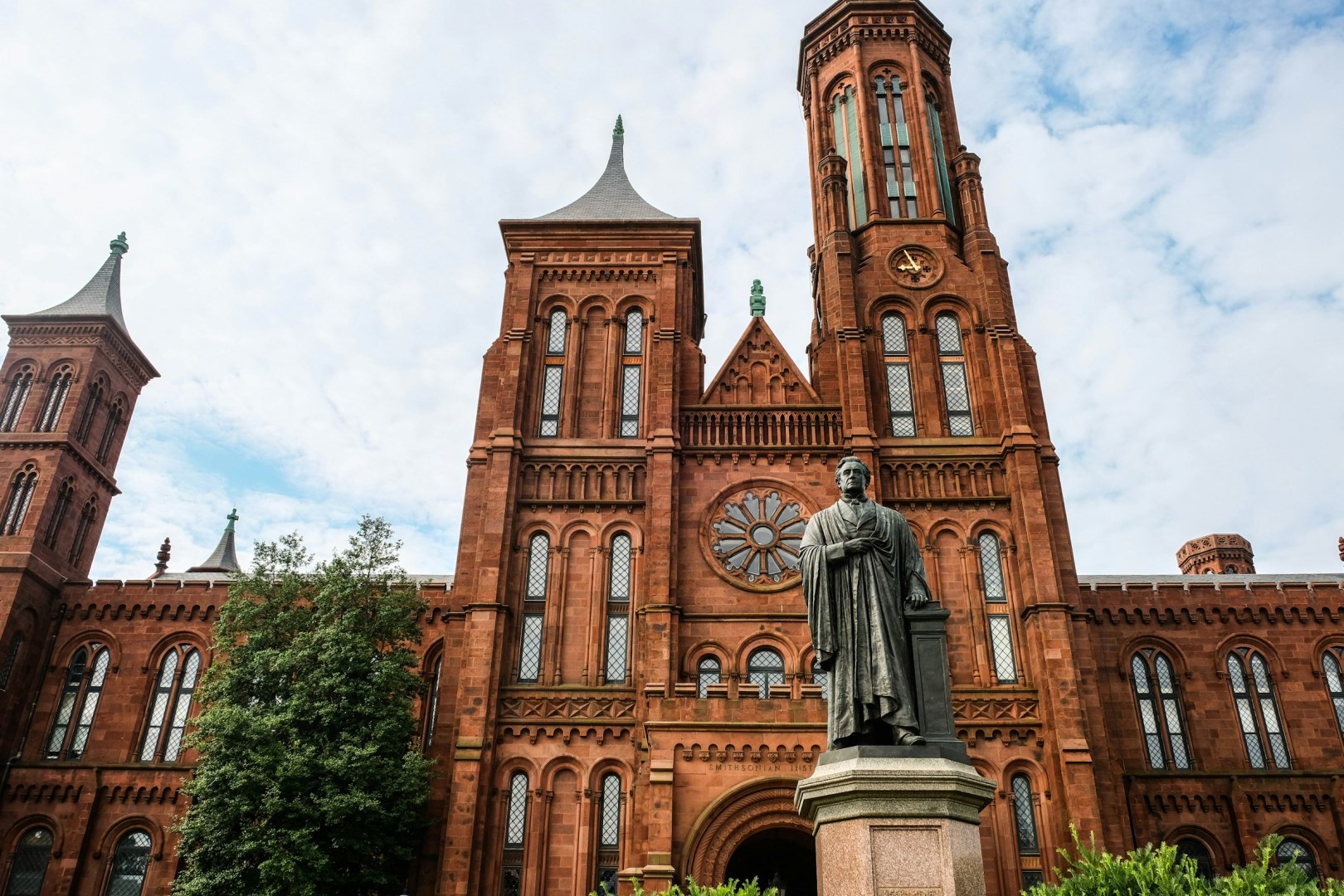
The Smithsonian Castle is the historic building that serves as the Smithsonian Institution's original home on the National Mall in Washington, D.C. Designed by architect James Renwick Jr., the red Seneca sandstone building combines Romanesque and Gothic Revival features, including towers, arched windows, and decorative stonework. Today, the Castle houses the Smithsonian Visitor Center, where visitors can learn about the institution's museums, research centers, and collections. The building also contains the Smithsonian's crypt, which commemorates James Smithson, the British scientist whose bequest established the institution. Its central location makes it a useful starting point for exploring the National Mall.
The Clarence Moore House is a historic residence in Washington, D.C.'s Dupont Circle neighborhood, recognized for its distinctive Beaux-Arts architecture and connection to the city's residential development. Designed by architect John Russell Pope, the house features a limestone facade, classical detailing, and a formal composition characteristic of the grand residences built in the area. It was commissioned for Clarence Moore, a businessman and art collector, and is part of the neighborhood's collection of architecturally significant houses. The building is privately occupied, so its exterior is best viewed from the surrounding streets rather than through an interior museum visit.
The Smithsonian National Museum of American History on the National Mall in Washington, DC, explores the people, events, and ideas that have shaped the United States through a collection of more than 1.8 million objects. Its exhibitions cover subjects including politics, military history, transportation, entertainment, science, and everyday life. Among its best-known objects are the original Star-Spangled Banner, Abraham Lincoln’s top hat, the Greensboro lunch counter, and the ruby slippers worn by Judy Garland in The Wizard of Oz. The museum also examines American foodways, technology, and popular culture, providing a broad view of how objects and inventions have influenced daily life across the country.


|
Clearwater Cruises Tours & Groups Let the luxury of our experience enhance your travels 800-562-0616 or 727-573-2883 |
|


